
Nine New Zealand Farms Begin LIFT Virtual-Fencing Trials
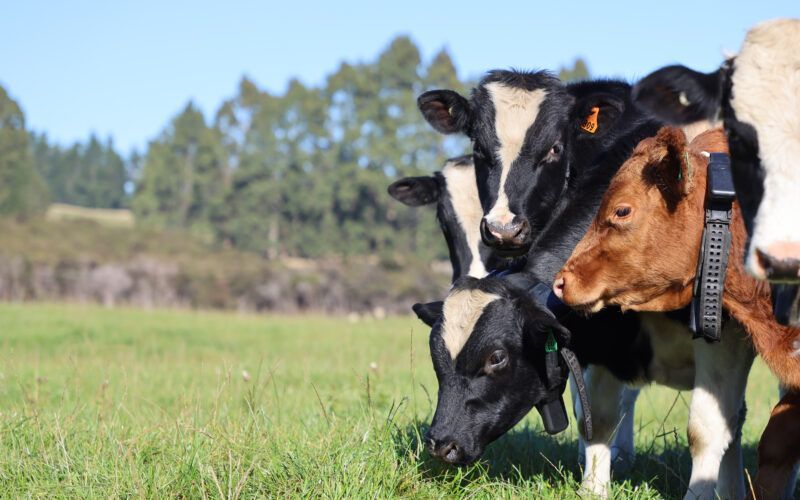
The Livestock Innovation Farming Transformation (LIFT) programme is being conducted on nine commercial properties extending from Northland to Southland. The sites include high-country stations, mixed-livestock operations, Māori-owned businesses, corporate farm groups and family-run farms. The initiative was established through the Ministry for Primary Industries’ Land Use Flexibility funding package and is led by the state-owned farming company Pāmu.
The first phase has involved placing smart collars on cattle, conditioning the animals to the system and training farm employees to operate digital grazing boundaries. Programme lead Charlie McCaig said the farms are working with independent agricultural consultants to create production, financial and environmental baselines before the technology is fully integrated into their systems.
The trials will assess more than whether collars can contain livestock. Researchers are examining how movable virtual subdivisions affect pasture use, dry-matter harvesting, animal liveweight, milksolids production and the allocation of labour. Managers from the participating farms have also discussed stock-water reticulation constraints and grazing rotations during early exchanges about the trials.
LIFT brings together technology companies, lenders, processors, software providers and agricultural organisations. The partners include Halter, which makes solar-powered smart collars; rural bank ASB; meat processors Silver Fern Farms and ANZCO Foods; farm-modelling platforms FARMAX and FarmIQ; Beef + Lamb New Zealand; consultants AgFirst and BakerAg; and telecommunications provider One New Zealand. Data from Halter collars will be combined with information from FARMAX and FarmIQ to model precision break-feeding, automated herd movements, pasture cover and seasonal feed budgets.
The project will also establish financial comparisons between virtual-fencing subscriptions and conventional infrastructure. Permanent post-and-wire fences, paddock redesigns and water-reticulation work can require substantial capital and continuing maintenance labour, particularly in steep hill country. ASB, AgFirst and BakerAg are involved in measuring payback periods, labour effects and capital trade-offs. The programme is also collecting data on riparian exclusion and soil protection for environmental reporting relevant to lenders and processors.
Pāmu chief executive Mark Leslie said the programme would test digital tools in varied commercial settings and share both their operational results and limitations with the wider farming sector. The consortium plans to hold regional field days and issue annual reports covering financial and biological results. The trials are intended to generate data on the commercial use of virtual fencing under different farm conditions, including its operational and financial performance.










