Mozzarella Remains the Leading Cheese for Pizza
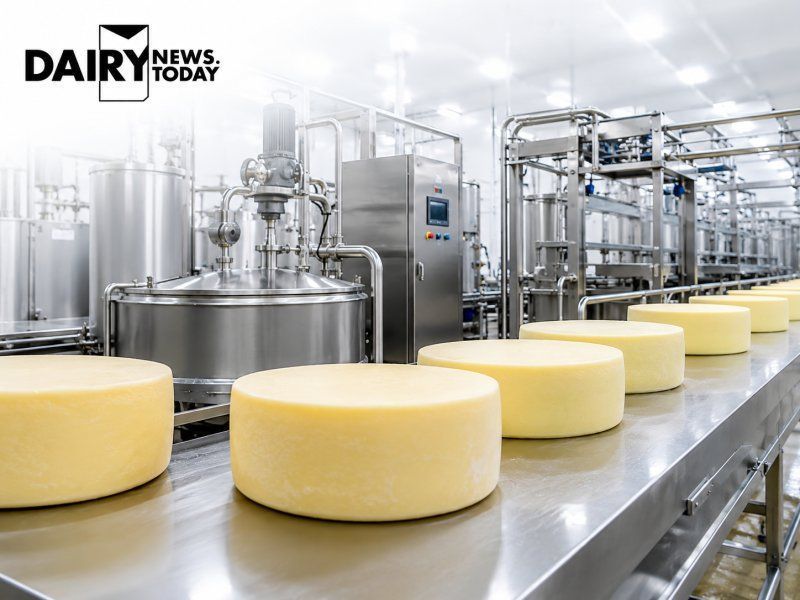
Mozzarella’s position in pizza-making is linked less to flavour alone than to the way the cheese behaves under heat. A suitable pizza cheese needs to melt consistently, form strands without breaking at once, release a balanced amount of fat and develop colour without scorching too rapidly.
These functional characteristics include melting, elasticity, stretch, oil release and browning. Mozzarella’s protein structure is shaped by the pasta filata process, which enables the long strands seen when a freshly baked slice is pulled away from the rest of the pizza. Fat also helps keep the protein network flexible during heating.
Different mozzarellas, however, produce different results. Lower-moisture mozzarella is often more suitable for pizzas that spend longer in the oven. It releases less water during baking and can create a melted topping without making the base excessively wet.
Comparisons of mozzarella varieties identify higher water levels in fresh products such as fior di latte and buffalo mozzarella, while pizza mozzarella generally has substantially less moisture. Water content is only one factor: fat, pH, calcium, ageing time and the production method can also alter how well the cheese melts and stretches.
Fresh mozzarella can be well suited to Italian-style pizzas baked quickly at high temperatures. Its greater water content makes proper draining important before it is placed on the dough. The resulting pizza has more moisture, a softer texture and a more pronounced milky flavour.
Provolone, parmesan and grana can also be used, although they generally work better alongside mozzarella than as the sole cheese. Provolone can provide stronger flavour and melt well, while hard cheeses such as parmesan and grana add more pronounced notes when used to finish the pizza.
A blend can therefore use mozzarella as the main cheese for its melting and stretching properties, with smaller amounts of other varieties added for flavour. When only one cheese is selected, lower-moisture mozzarella is described as a versatile option for combining melt, elasticity and control of excess water. The final result depends on both the cheese’s composition and its response to heat.