Milk protein moderates blood-glucose rises and supports muscle formation

For people with type 2 diabetes, consuming whey 15–30 minutes before a main meal slows the passage of food out of the stomach and prompts earlier release of the body’s insulin and the intestinal hormone GLP-1, according to the account published by Diario Lechero. These responses moderate glucose levels after eating. Whey also contains high concentrations of branched-chain amino acids, including leucine and isoleucine. Their role in countering sarcopenia—the loss of muscle mass—is linked to physical activity and a balanced diet, including natural carbohydrates such as lactose. The groups discussed include older adults and sedentary people.
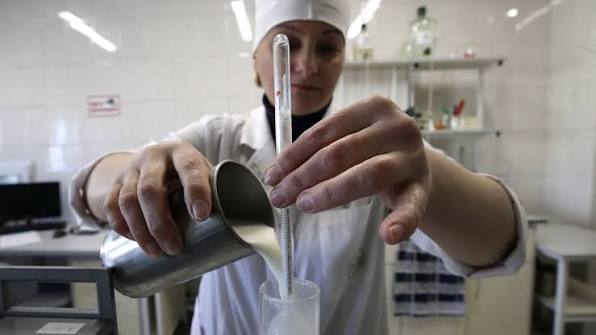
Preserving whey proteins and caseins begins with milk quality on the farm. The account identifies prevention of clinical and subclinical mastitis as important because inflammation in the udder activates protein-degrading enzymes and increases somatic-cell counts. Dairy-farm routines include stripping the first streams of milk and applying an antiseptic teat dip before milking. After collection, raw milk is rapidly cooled to 4°C in insulated tanks to stabilise titratable acidity and restrict bacterial growth before transport to a processor.
At the processing stage, the article describes continuous pasteurisation above 72°C, or ultra-high-temperature treatment at 138°C for four seconds followed by aseptic filling into multilayer packaging. It presents these treatments as measures to secure commercial food safety while preserving the functional structure of the whey proteins beta-lactoglobulin and alpha-lactalbumin. Preventive herd health, an uninterrupted cold chain and certified industrial pasteurisation are identified as requirements for supplying functional milk proteins.
In Mexico, where the article describes a high prevalence of type 2 diabetes and metabolic disorders, retail shelves carry pasteurised cow’s milk alongside plant-based drinks and blended dairy products. Some blended products use imported dried whey, modified starches and hydrogenated palm fats. Cow’s milk is regulated under the Mexican standard NOM-155-SCFI-2012. The article describes its nutritional composition as combining proteins of high biological value with digestible fats and a low glycaemic load, citing 10 grams of natural carbohydrates per glass.
The account contrasts this composition with that of many rice- and oat-based drinks, which it associates with larger glucose rises and an amino-acid profile insufficient to stimulate GLP-1 secretion or muscle synthesis. Its discussion of consumer choices includes pasteurised drinking milk, plain yoghurt and lactose-free products made through enzymatic hydrolysis. It advocates their regular inclusion in Mexican dietary guidance for older adults and people with metabolic disorders.
At farm level, feed accounts for more than 70% of current operating expenditure per litre of milk in the commercial and family-run dairy operations described. Rations include maize silage, alfalfa hay and commercial protein concentrates. Producing balanced diets that maximise microbial-protein production in the rumen requires continued spending on highly digestible forage and protein meals. The article links the financial viability of farms to their ability to supply milk with high true-protein content and functional whey derivatives, and calls for processors and cheesemakers to reward total solids and pay remunerative farm-gate prices.
The public bodies identified in its recommendations are Mexico’s Secretaría de Salud, Secretaría de Agricultura y Desarrollo Rural (SADER) and Procuraduría Federal del Consumidor (Profeco). The proposed priorities include disseminating scientific evidence about dairy consumption in adulthood and checking the accuracy of front-of-pack labelling at retail outlets.