Mexico sets annual milk production target of 15 billion litres
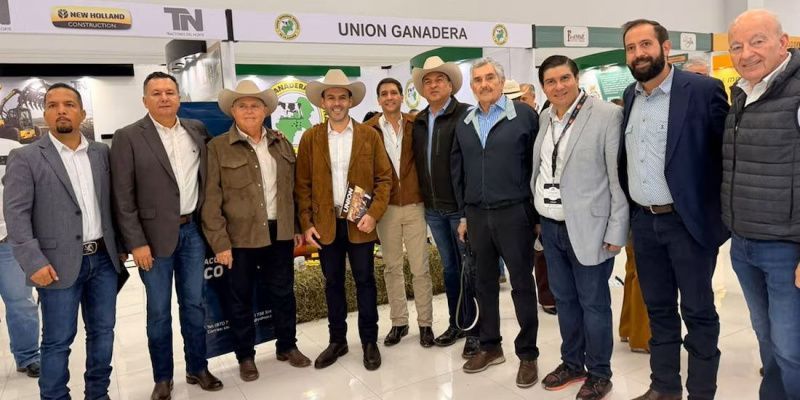
Ulises Mejía Haro, SADER’s undersecretary for agriculture, outlined the strategy at the opening of the 2026 gathering in the Comarca Lagunera dairy-producing area. He said the initiative followed the federal executive’s instructions to strengthen food sovereignty. Participants included Ricardo Valdés Quintanilla, president of the Asociación Mexicana de Productores de Leche (AMLAC), and Homero García de la Llata, head of the Confederación Nacional de Organizaciones Ganaderas (CNOG). Representatives of the Secretaría de Economía and the Coahuila government also attended. The production goal is framed as a target for the six-year presidential term.
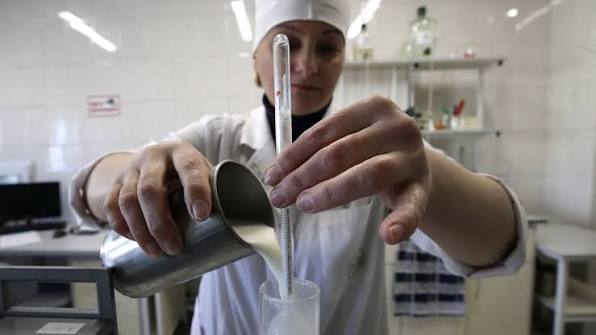
The account of the initiative identifies farm technology, genetic improvement and protection against brucellosis and bovine tuberculosis as requirements for expanding production. It also highlights udder-health procedures in mechanised milking parlours at commercial and family farms. These include checking the first streams of milk and applying antiseptic teat treatments before milking to prevent environmental mastitis and maintain milk quality, including somatic-cell counts and total solids. The account links these practices to efforts to improve yields per cow.
Post-milking handling is another technical component described in the report. Raw milk is to be cooled rapidly to 4°C to control bacterial multiplication and stabilise titratable acidity. At processing plants, the account describes continuous pasteurisation above 72°C or ultra-high-temperature treatment at 138°C for four seconds, followed by aseptic filling in multilayer packaging. It presents these thermal processes as measures to ensure product safety while preserving milk’s casein structures and fat globules.
On the commercial side, the strategy seeks to curb the use of imported substitutes and ingredients in mass-market retail channels. Mexico has historically been among the world’s largest importers of dried milk and powdered dairy derivatives. According to the report, imported ingredients are frequently used in dairy blends or imitation products containing dried whey, modified starches and hydrogenated palm fats. It describes products marketed as wholly cow’s milk despite such formulations as competing unfairly with domestic milk and evading the nutritional requirements of NOM-155-SCFI-2012. The report identifies enforcement of official labelling standards in shops and supermarkets as a priority.
Leche para el Bienestar is intended to act as a strategic purchaser of Mexican milk through regional collection centres. The programme is expected to channel pasteurised milk to vulnerable households at fair prices, supplying complete protein and essential micronutrients. Its purchasing role forms part of the effort to expand outlets for domestic production while supporting access to milk among lower-income consumers.
Farm costs are a central issue in the strategy. The report puts cattle feed at more than 70% of operating expenditure per litre in intensive and semi-technified production systems. Feed rations include maize silage, alfalfa hay and commercial protein concentrates. It also describes commercial intermediaries and subsidised milk-powder imports as sources of downward pressure on payments to farmers, discouraging spending on animal welfare and milking equipment. Mejía Haro told producers that higher volumes must be accompanied by stable contracts, remunerative prices and accessible financing to protect herd operating margins against rising grain and forage costs.
The report identifies coordination among state livestock-development committees, Senasica and established Mexican milk processors as necessary to implement the strategy. Infrastructure priorities include a larger network of collection centres equipped with reliable milk-testing laboratories. It also calls for faster construction of milk-drying facilities in regions with seasonal surpluses, enabling processors to handle production peaks and replace imported milk powder with domestic supplies.