Mexico’s Livestock Commission Seeks Support for Huasteca Milk Purchases
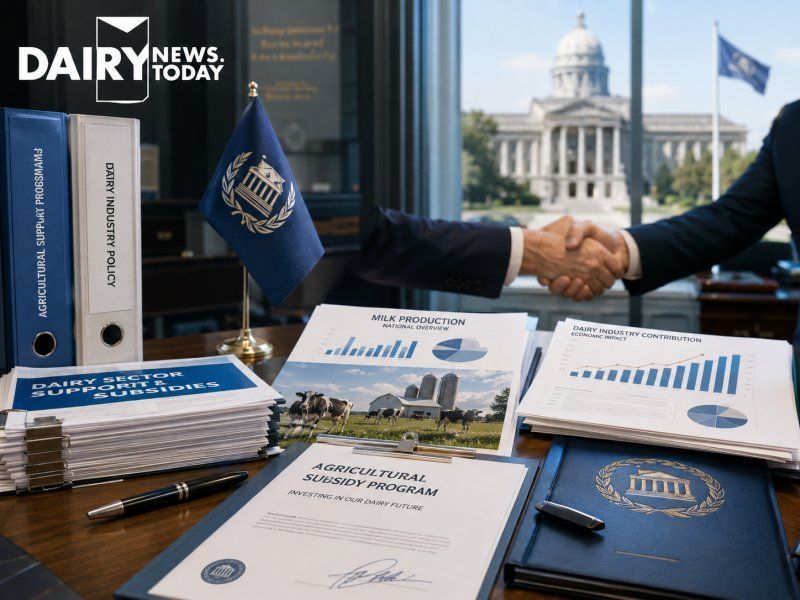
Mexico’s Chamber of Deputies Commission of Livestock has formalised budgetary discussions with the Directorate of Operations of Leche para el Bienestar. The talks concern higher limits for purchases of domestically produced milk and the inclusion of regions that have not been fully covered by the federal collection network.
Legislators from the livestock and budget commissions took part in the meeting, alongside representatives of the livestock sector. The discussions initially focused on producers in Jalisco, but the proposed expansion also includes the Huasteca Potosina and other areas with dairy potential. The commission is seeking funding in the 2027 Federal Expenditure Budget for the programme.
Dairy farming in the Huasteca Potosina and other tropical areas of eastern Mexico commonly combines grazing with morning milking carried out manually or through semi-intensive systems. Temperatures in these areas can exceed 35°C for substantial periods. The source said that many communities lack rapid-cooling tanks capable of bringing milk to 4°C, increasing the risk of bacterial deterioration before collection.
For small herds to enter the federal purchasing scheme, the proposed collection infrastructure would include local receiving centres, on-site laboratories for physicochemical testing and insulated tankers for longer-distance transport. The source also identified milking hygiene, teat sealing and herd-health practices as requirements for reducing somatic-cell counts and meeting food-safety standards. Collection modules in rural communities in eastern San Luis Potosí would be intended to limit losses before milk reaches pasteurisation and drying plants.
The official guaranteed price cited in the article is 11.50 pesos per litre. The proposed institutional buying centres would purchase milk under that price rather than leaving producers dependent on local dairies and mobile intermediaries, which the source said offer fluctuating prices during the rainy season. The article also linked formal collection of unadulterated cow’s milk with efforts to reduce the sale of modified dairy formulas and products made with vegetable fats or dried whey.
Producers in the region face higher costs for mineral supplements, feed and medicines used against parasites and mastitis. The source said that limited access to affordable development-bank financing leaves some medium-sized farms without funds for improved corrals, electric fencing or mechanised forage banks. Legislative committees are seeking dedicated funding for collection infrastructure, while livestock representatives have called for clearly defined collection routes, weekly payment schedules, transparent operating rules and timely electronic transfers.