Mexico’s Congress Opens Talks to Strengthen Dairy Sector
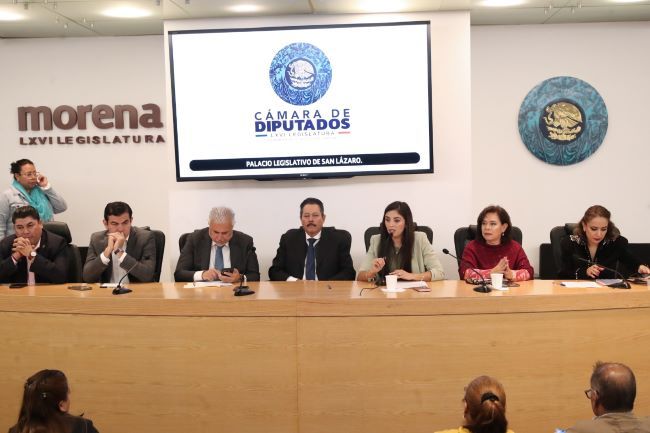
Mexico’s Chamber of Deputies inaugurated a working group bringing together members of the livestock, agriculture and budget committees, officials from Leche para el Bienestar and dairy farmers from Los Altos de Jalisco. The group is tasked with preparing technically supported proposals for the 2027 Expenditure Budget.
A central issue is the formula used for the guaranteed milk price, currently set at 11.50 pesos per litre. Participants said the calculation should reflect the actual cost of extracting milk at the farm. They also agreed on an institutional process for monitoring public spending and addressing delays in weekly bank transfers to producers.
Los Altos de Jalisco supplies about one-fifth of the fluid milk consumed in Mexico. The region relies on thousands of family-run and semi-extensive farms, where raw milk is cooled to 4°C in rapid refrigeration tanks. Producers told the meeting that reductions in institutional collection quotas can fill on-farm cooling capacity in less than 48 hours.
Farmers also said milking operations cannot simply be suspended, as doing so can contribute to infectious mastitis and disrupt cows’ lactation. The working group therefore called for greater collection capacity at public receiving centres and for Leche para el Bienestar to have the operational resources needed to accept milk suitable for processing.
Figures reviewed by the legislative committees placed Mexico as the world’s 15th-largest milk producer and fifth-largest importer of dairy products. Lawmakers raised concerns about imported skimmed milk powder and products made with vegetable fats, as well as combined formulas and dehydrated whey. They proposed tighter import rules and more detailed labelling of food formulations.
Farm costs are also under pressure. Maize silage, hay and protein concentrates account for as much as 72% of operating expenditure per litre of milk, according to the material presented at the meeting. Delayed payments from the public company have reduced working capital for farms and affected their dealings with suppliers of seeds, agricultural chemicals and veterinary medicines.
The Budget and Public Accounts Commission said federal allocations should set clear food-security priorities and should not shift the financial shortfall of social-supply programmes onto primary producers. Participants discussed contingency funds for 2027 to offset higher agricultural input costs and provide bridge financing through agricultural-development banks. They also called for audits of beneficiary registers, certified weighing at receiving points and reliable weekly settlements under contracted quotas.