
Leche para el Bienestar Cuts Milk Collection in Aguascalientes
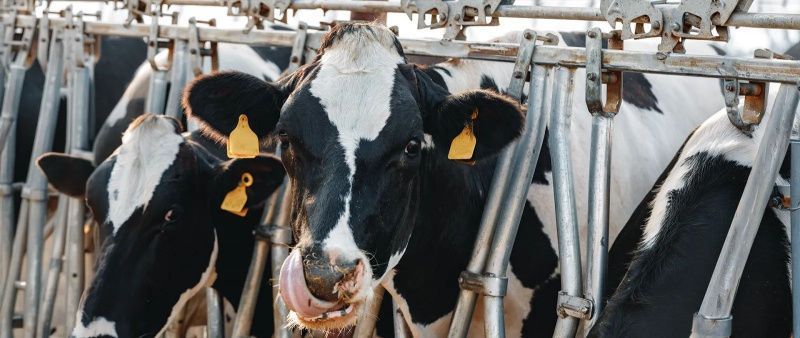
An administrative reduction in public milk collection was introduced at the start of October, according to the report. Farmers said comparable reductions linked to annual budget closures had previously occurred in the second half of December. The change lowered the volumes accepted under contracts with the Granjas Fátima centre and removed a major source of weekly cash flow for the affected farms.
Aguascalientes produces more than 1.3m litres of milk per day through intensive and semi-stabled systems. Milk must be cooled to 4°C after milking, while tanks serving farms linked to Granjas Fátima can hold roughly 48 hours of output. Cows continue to require morning and evening milking; the report said that stopping those routines can cause mastitis and lasting losses in lactation.
The uncollected volume has therefore been directed to the open market. Local processors, artisanal cheesemakers and intermediaries have reportedly offered 2 to 5 pesos less per litre for milk outside existing contracts. In urgent transactions, some farmers have sold at as little as 7 pesos per litre, according to the source. The additional supply has also placed pressure on private-sector demand in the region.
Farm operating costs have remained tied closely to feed prices. Feed accounts for about 70% of the cost of each litre produced, with expenses including maize silage, dried alfalfa and protein concentrates. The report also cited delayed federal payments and said that farmers lacked access to soft-credit facilities or contingency funds through agricultural development banks.
Some producers have accumulated unpaid bills to suppliers of feed, veterinary medicines and electricity. The report said that several dairy farmers had begun sending reproductively active cows to slaughter to raise cash. It also described competition from blended dairy products and analogue cheeses made with vegetable fats and imported whey, as well as purchases by informal collectors in central Mexico.
Livestock associations have asked the Agriculture Secretariat and the management of Leche para el Bienestar to restore the full contracted volume. They have also requested talks on payment schedules and arrangements for absorbing seasonal surpluses. Association representatives said stable contracts for the 94 families supplying Granjas Fátima were needed to prevent further farm closures and maintain rural employment in the state.










