Kenya Expands ANITRAC Livestock Traceability Nationwide
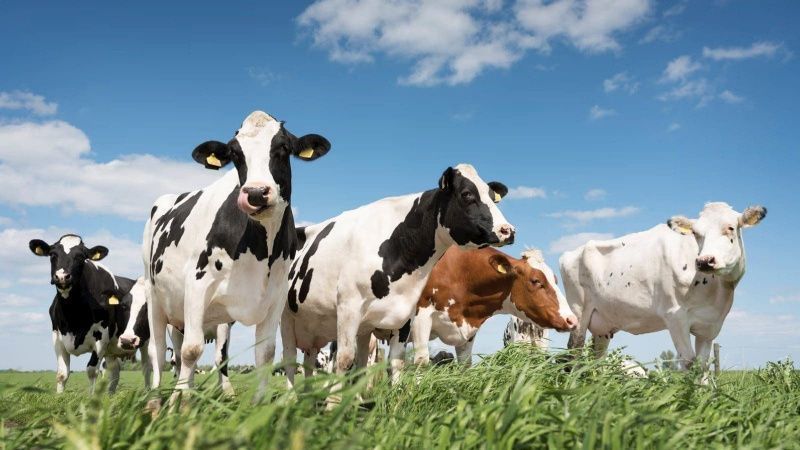
Kenya is accelerating the national rollout of the Animal Identification and Traceability System, known as ANITRAC. Mutahi Kagwe, the cabinet secretary for agriculture and livestock development, is leading the expansion. The system is intended to provide information for animal-health management, disease surveillance, food safety and livestock productivity.
ANITRAC will assign individual identities to cattle, goats and sheep and maintain digital histories over their lifetimes. Identification will use visible ear tags and microchips connected to a central platform. The records are designed to include an animal’s origin, ownership, health condition, vaccination history and movements through production, trade and processing.
Authorised officials, veterinarians, abattoirs, traders and other participants in the livestock value chain will be able to consult relevant information. Mr Kagwe said the system would increase transparency in the sector. “Going forward, every Kenyan animal should have an identity and a traceable history,” he said.
Disease surveillance
Disease monitoring is a central purpose of the system. During an outbreak, movement data would allow authorities to establish where an infected animal came from and locate livestock that might have been exposed. Vaccination records would also show the coverage of disease-prevention measures across livestock populations and provide veterinary authorities with information for targeted interventions.
Animal-level records are also intended to support decisions by farmers and veterinarians. Mr Kagwe has urged farmers and pastoralists to use traceability alongside improved genetics, artificial insemination, animal nutrition, commercial feedlots, livestock insurance and climate-smart production practices. The digital records can connect these measures with individual animals and herds, while information on feeding can be used to track aspects of growth, reproduction and health.
Market information
The programme is also linked to livestock-market access. Data on origin, health and movement can provide buyers, processors and other value-chain participants with more information when animals are sourced. Abattoirs and traders will have access to records relevant to their activities, while regulators will gain greater visibility of livestock movements. The rollout requires data collection, digital infrastructure and participation by farmers, pastoralists, veterinarians, traders and government agencies.