Human brucellosis cases in a Mexican state rise 76.92% to 23
Figures in the federal health ministry's epidemiological bulletin for week 40 of 2026 placed Tamaulipas tenth among Mexican states for cumulative incidence of human brucellosis. Of those diagnosed, 20 were women and three were men. Matamoros and San Fernando each registered five patients, followed by Ciudad Victoria with four. Ciudad Madero and Reynosa each had three cases, San Carlos had two and Río Bravo had one. The infection is a zoonosis associated principally with bacteria of the genus Brucella, including B. abortus and B. melitensis.
Nicolás Berúmen, southern-zone coordinator for the Comisión Estatal de Protección contra Riesgos Sanitarios (Coepris), identified consumption of untreated dairy products as the principal route of infection in urban and semi-urban communities. The report described sales of artisanal panela, molido and fresh cheeses, as well as substitutes, through street markets, itinerant markets and informal shops in the region. It said products sold through these channels were failing to meet requirements under Mexican standards NOM-155-SCFI-2012 and NOM-243-SSA1-2010. The illness can become chronic and affect several body systems. Symptoms described in the report include fluctuating fever, foul-smelling night sweats, weakness, joint pain and enlargement of the liver and spleen.
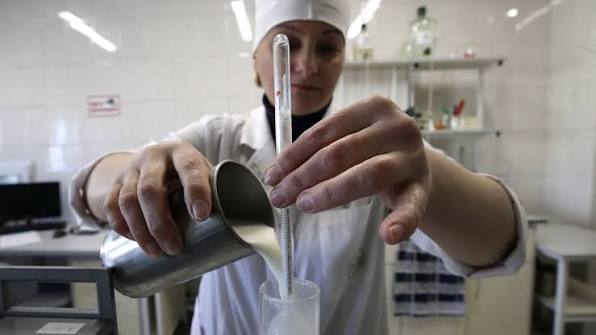
The report specified continuous pasteurisation above 72°C for at least 15 seconds, or ultra-high-temperature treatment at 138°C for four seconds followed by aseptic packaging, as treatments to destroy Brucella in milk. It also recommended transferring freshly collected raw milk into insulated stainless-steel tanks and rapidly cooling it to a constant 4°C before refrigerated collection, to inhibit bacterial multiplication. These processing and handling measures formed part of its account of controls along the dairy supply chain, from milking facilities to cheese production and retail sales.
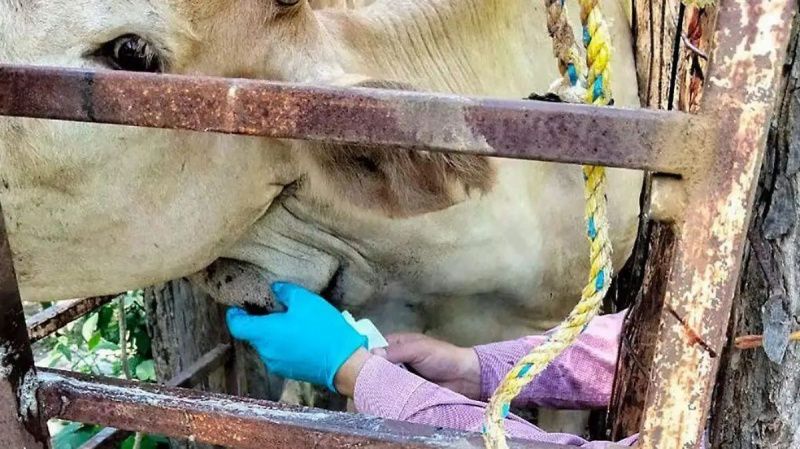
On farms, bovine brucellosis is a notifiable infectious disease that can cause abortions during the final third of pregnancy, retained placentas, uterine inflammation and sharp reductions in milk output. People can also acquire the infection through direct occupational exposure to foetal fluids, placentas or vaginal secretions while assisting livestock births. Veterinarians, milkers and other livestock workers are among those exposed through this route. The report recommended maintaining disease-free herds through card and rivanol serological tests and removing animals that test positive. It also called for forestripping and antiseptic pre-dipping in mechanised milking parlours to strengthen udder hygiene and prevent concurrent environmental mastitis.
The report described recurrent zoonotic outbreaks as a source of financial pressure on dual-purpose livestock farms and family-run dairy operations in Tamaulipas. Feed accounts for more than 70% of their operating cost per litre of milk. The feeding systems described combine cultivated pasture, maize silage, crop residues and commercial protein concentrates. Brucellosis-positive animals bring losses through compulsory removal of breeding cows with high genetic value and reduced herd fertility. Animal-health restrictions also affect interstate movements of live cattle and raw milk.
Antonio Varela Flores, head of Tamaulipas's Secretaría de Desarrollo Rural, Pesca y Acuacultura, highlighted the signing of a co-operation agreement with the Unión Ganadera Regional de Tamaulipas (UGRT), Coepris and the epidemiology department. The agreement provides for additional resources to support animal-health campaigns, large-scale serological sampling and systematic health screening in livestock pens. The report also called for co-ordination among Senasica, state livestock-health promotion and protection committees, and public-health services in responding to the outbreaks.
For milk collection centres, the report recommended regular milk-ring testing to prevent supplies from uncertified herds entering formal processing chains. It also urged Coepris to step up seizures involving clandestine cheese operations using unpasteurised milk. At retail level, it called for checks to ensure clear distinctions between genuine cheese made entirely from pasteurised cow's milk and imitation formulations containing hydrogenated palm-based vegetable fats and dried whey.