Healthier Farm Animals Can Reduce Emissions per Unit
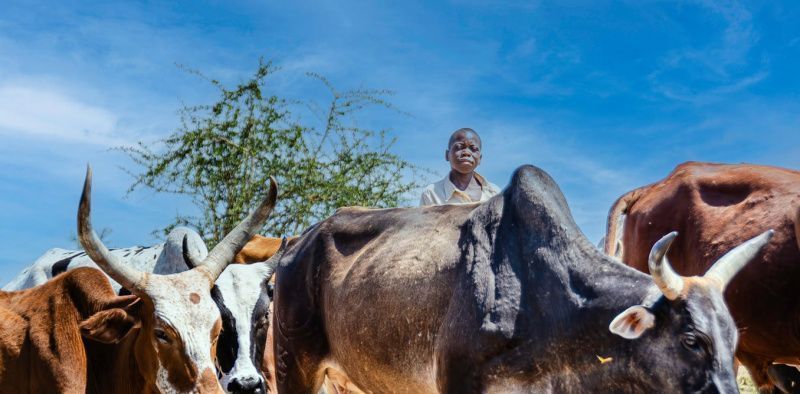
Animal disease can create losses beyond the death of an animal. When a dairy cow miscarries, the feed, land and water used during its pregnancy have already generated emissions, while the expected calf, future milk and farm income are lost. Methane produced during digestion is among the main gases involved: microbes in a cow’s stomach generate it, and most of it is exhaled.
Healthier livestock tend to produce more milk or meat, so the methane associated with each unit of output can be lower. A recent peer-reviewed review by researchers studying diseases in cows, goats and sheep assessed evidence from livestock systems worldwide. It found that disease prevention was often linked with better growth, milk production, fertility and survival, and with lower emissions per litre of milk or kilogram of meat.
The researchers said the evidence remains too limited and inconsistent for animal health to be included confidently in climate policy. Livestock-emissions studies use differing assumptions and generally rely on estimates rather than direct measurements. The new Halow project—Health Approaches for Lowering Livestock Emissions—was developed with support from the Global Methane Hub, an alliance of more than 20 climate foundations.
Halow has been approved as a major international research initiative by the Global Research Alliance on Agricultural Greenhouse Gases. Its scientists will compare health interventions across farming systems, including their cost, their effects and the distribution of benefits. The project will distinguish between reductions in emissions per unit of food and reductions in total emissions, and will record negative results as well as positive ones.
Earlier modelling in Kenya and Tanzania measured some of the potential effects of animal losses. In northern Tanzania, cattle miscarriage was estimated to raise emissions per kilogram of milk by 4% among Indigenous cattle and by 15% among higher-yielding cattle. When losses among cattle and goats were combined, the milk and meat protein forgone was estimated to equal the annual animal-protein consumption of about 649,000 Tanzanians.
In western Kenya, 16% of local beef calves died during their first year, with infection accounting for most diagnosed deaths. At those mortality rates, the associated protein loss was estimated to equal the annual beef-protein consumption of about 4.5m Kenyans. The model found that cutting calf mortality from 16% to 8% would reduce enteric-methane emissions per kilogram of beef by 3.2%. Total methane emissions would nevertheless rise as more calves survived and the herd produced more beef.
That distinction affects how livestock policies are assessed. Countries commonly estimate emissions using animal numbers and standardised values, methods that may not fully reflect changes in milk yield, growth, fertility, mortality or the number of replacement animals required. The researchers said livestock policy must consider food security, livelihoods and climate outcomes together. In their account, animal health is one part of the issue, alongside reducing excess consumption in wealthier countries and improving access to nutritious food in poorer ones. Livestock also provide income, savings, manure and farm power, while better health is not presented as a basis for unrestricted growth in animal numbers.