Grupo LALA donates 36,000-litre tanker to firefighters in Mexico
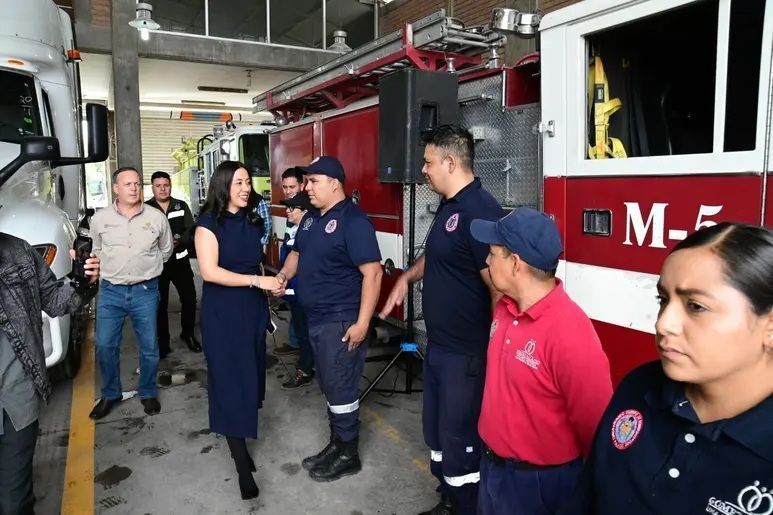
The tanker has joined the fleet of Gómez Palacio’s Heroico Cuerpo de Bomberos. At the official handover, mayor Betzabé Martínez Arango described the dairy company as a strategic partner in the region’s economic and social development. She said civil protection and the safeguarding of property required continuing co-ordination between municipal, state and federal governments and private businesses. Fundación LALA president Édgar Salinas and Grupo LALA’s director of logistics and transport, Ángel Díaz, attended the ceremony. They reaffirmed the company’s commitment to working with emergency services in a region where industrial and livestock operations run around the clock.
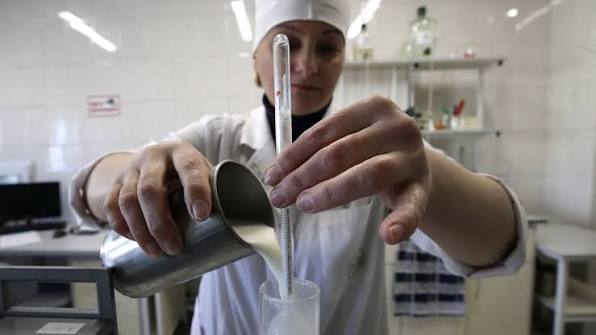
The donation comes from a company with experience designing and operating fleets that carry large volumes of liquids. In La Laguna’s dairy supply chain, insulated collection tankers carry raw milk from mechanised milking facilities to processing plants. On commercial dairy farms, preliminary milk stripping and antiseptic teat treatment before milking are used to prevent environmental mastitis and control somatic-cell counts. Raw milk is then placed in rapid-cooling tanks at 4°C to stabilise titratable acidity and limit bacterial growth before transport in sanitary tankers.
Processing facilities in Gómez Palacio and Torreón use continuous pasteurisation at temperatures above 72°C or ultra-high-temperature treatment at 138°C for four seconds. The latter is coupled with aseptic filling in multilayer packaging. These energy-intensive processes require industrial-safety and fire-prevention procedures covering boilers, machinery rooms and storage facilities.
Fire protection also concerns dairy farms and fodder-storage sites in rural and peri-urban parts of La Laguna. According to the report, cattle feed accounts for more than 70% of current operating costs per litre of milk produced on intensive and family-run livestock farms in Durango and Coahuila. Feed includes maize silage, baled alfalfa hay and commercial protein concentrates. The region’s semi-desert conditions, high temperatures and seasonal winds leave alfalfa stores and other agricultural supplies exposed to fire risks, with potential losses for primary producers.
The report also places the donation within the commercial setting of Mexico’s dairy industry. Grocery shops, small general stores and supermarket chains sell pasteurised cow’s milk alongside blended dairy preparations and analogous products made with ingredients including imported dried whey, modified starches and hydrogenated palm fats. It describes these alternatives as frequently competing on price and says they do not meet the biological-value and minimum-protein requirements of Mexico’s NOM-155-SCFI-2012 standard.
The handover involved the Gómez Palacio municipal government, Fundación LALA and the company’s logistics division. The report identifies co-operation between public authorities and private businesses as a priority for municipal and state governments and federal bodies such as the Secretaría de Agricultura y Desarrollo Rural (SADER). The emergency-preparedness measures it discusses include keeping access routes clear and ensuring strategically located water supplies in Mexico’s agro-industrial centres.