Gokul Dairy Records 99.96% Turnout in Board Election
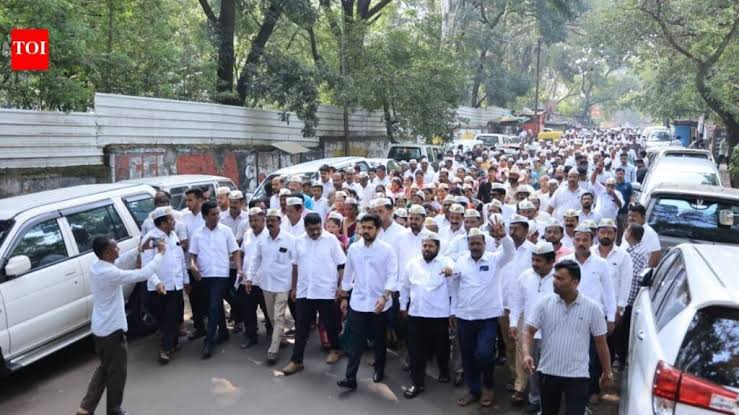
The Kolhapur District Co-operative Milk Producers’ Union, known commercially as Gokul Dairy, held the election amid a contest between two alliances. The Mahayuti-supported Chhatrapati Shahu Shetkari Vikas Aghadi faced the opposition Rajarshi Shahu Shetkari Samadhikari Aghadi. Counting for general and reserved director seats began after polling, with early tallies showing narrow margins and instances of cross-voting.
The elected board will serve the 2026–2031 administrative term. Its responsibilities include decisions related to milk procurement prices, processing investment and the commercial management of the co-operative. Gokul Dairy’s operations extend across Kolhapur district through village-level societies, milk-chilling facilities and computerised testing centres in the Western Ghats milk-producing area.
Gokul collects and processes more than 1.4m litres of raw bovine milk each day. The intake includes buffalo and crossbred cow milk, which is handled at processing facilities in Kolhapur. The co-operative uses pasteurisation, clarification and continuous packaging equipment, with cold-storage and distribution depots supporting movement between districts.
Most of the packaged liquid milk is sold in Greater Mumbai, Navi Mumbai and Pune. Gokul’s product range also includes clarified butterfat, fermented dairy desserts, table butter and paneer. The union reports annual commercial turnover of more than ₹3,500 crore and finances activities including cattle-feed plants, milk-powder drying towers and solar-powered cold-storage facilities.
The board will oversee borrowing arrangements, bank overdrafts and supplier-credit agreements, while operating costs include energy, refrigerated transport and packaging materials. The election also affects the schedules used to pay member producers and the distribution of patronage dividends. Farmers receive payments every two weeks and use the income for livestock debt, feed and herd-health expenses.
Producer organisations have pressed for higher procurement rates for buffalo and cow milk in response to increased fodder costs. Veterinary services and subsidised artificial insemination are among the programmes linked to the co-operative’s milk-supply network. Electronic testing of fat and solids-not-fat at village collection points is also part of the system used to assess milk supplied by members.