Global Dairy Trade Reports Gains in Milk Powder Prices
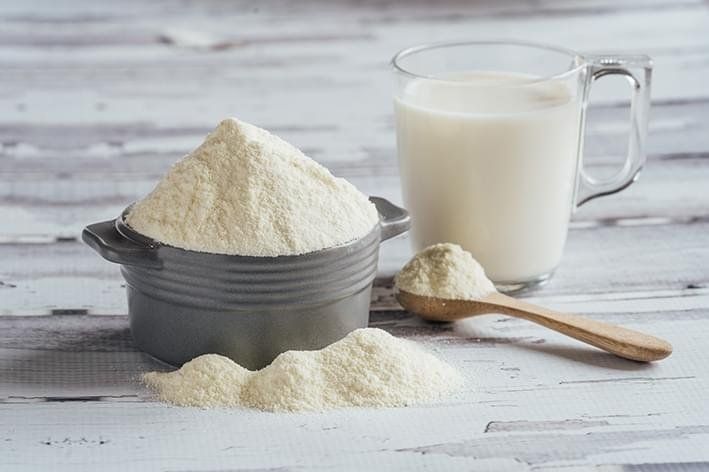
The latest trading session showed divergent movements across dairy commodities. Whole milk powder contracts cleared at an average of US$3,760 per metric ton, while skim milk powder increased by 3.4%. Buttermilk powder recorded the largest gain, rising 8.4% as food manufacturers competed for limited spot-market supplies.
Cheese moved in the opposite direction. Processors increased output to capture returns from whey-protein streams, adding to commercial curd inventories and placing further pressure on cheddar prices. The results showed that price movements differed by product, with processing volumes, ingredient demand and available stocks affecting individual categories.
Renewed purchasing by North Asian buyers contributed to the stronger powder clearances. The supplied market analysis said Chinese commercial buyers made forward purchases of whole milk powder and skim milk powder for several delivery periods running from late 2026 through the first half of 2027.
Importers in Southeast Asia and the Middle East also maintained demand across deferred delivery periods. Their participation supported bidding and reduced the need for sellers to offer discounts. Dairy cooperative sellers cleared the maximum volumes allocated to them, while more than 42,000 metric tons were reported as sold at remunerative prices.
Whole milk powder prices above US$3,700 per metric ton provide additional revenue potential for processors and cooperatives, including to cover packaging, energy and ocean-freight costs. Higher prices for whole and skim milk powder can also affect cash-flow projections and inventory valuations during periods of elevated milk processing.
The commercial effect on individual companies depends on milk procurement costs, processing efficiency, logistics expenses, currency movements and product mix. For farmers, the effect on farm-gate milk prices depends on how export returns pass through processors and procurement chains. Import-dependent markets face changes in dairy-ingredient costs, which can affect food-manufacturing expenses and retail prices.