
Fermented cheeses support gut microbiota health, specialists say
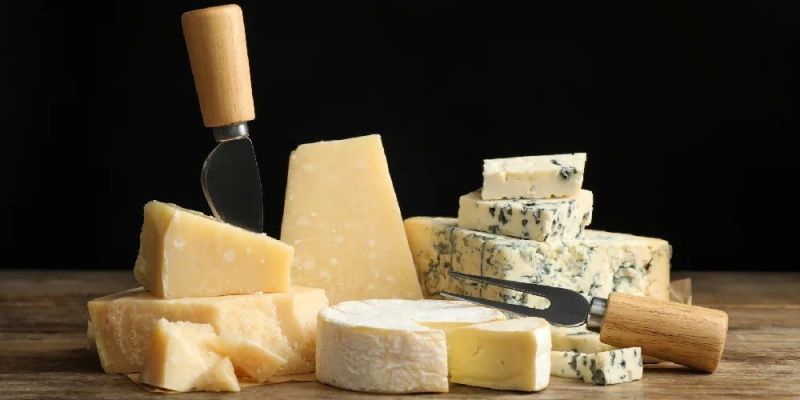
Studies cited by specialists associate the six varieties with live cultures that can reach the human gastrointestinal tract. During coagulation and ripening, lactic-acid bacteria process residual lactose and produce bioactive peptides, short-chain fatty acids and B vitamins. These compounds are described as contributing to digestive and immune functions.
Consumers seeking these products are advised to examine both the front label and the ingredient list. The recommended composition consists of pasteurised milk, rennet, salt and lactic cultures. Products identified as imitations or processed melted preparations may contain modified starches, hydrogenated vegetable fats or imported caseinates instead of the ingredients used in genuine cheese.
The probiotic characteristics depend on production methods, including inoculation, whey removal and maturation. In hard and semi-hard varieties such as parmesan, cheddar, gouda and Swiss cheese, controlled storage in refrigerated rooms allows strains of Lactobacillus, Lactococcus and Propionibacterium to develop within the cheese matrix. The casein-and-fat structure is described as helping protect the bacteria from stomach acidity during digestion.
Fresh, high-moisture products require different handling. Cottage cheese and mozzarella need selected starter cultures to be added after heat treatment, or the curd must avoid later reheating that could eliminate the cultures. Maintaining the cold chain at 4°C from production to retail refrigeration is cited as necessary to preserve bacterial viability per gram of product.
In Mexico, the category is creating an opportunity for processors in supermarkets and specialist shops. Domestic consumption has traditionally focused on short-shelf-life fresh cheeses such as panela and canasto, while urban segments are showing interest in aged varieties and probiotic-enriched cottage cheese. The market also includes industrial substitutes whose packaging may be ambiguous and whose prices are lower. Consumer education about the designation of genuine cheese and labels referring to live lactic cultures is presented as a way for formal producers to distinguish their products.
Aged-cheese production requires working capital because stocks may remain in maturation rooms for three to 12 months. Electricity, insurance and moisture loss add to fixed costs, while selected lactic strains and imported coagulating enzymes cost more than inputs for rapidly sold fresh cheese. Retail prices for gouda, cheddar and parmesan can provide higher gross margins, according to the source. For small and medium-sized dairies, semi-aged products made with a short ingredient list are identified as one way to broaden their range.
Demand for genuine fermented cheese also places requirements on milk suppliers. Processors need raw milk with suitable composition and hygiene, no antibiotic residues, low levels of spore-forming bacteria and minimal somatic-cell counts. Antimicrobial traces can inhibit starter cultures and spoil batches of curd. Cheese yield in pressed varieties depends partly on casein and total solids, encouraging payment premiums linked to physicochemical quality at the farm.










