Economic and Environmental Benefits of Using Dairy Manure on Crops
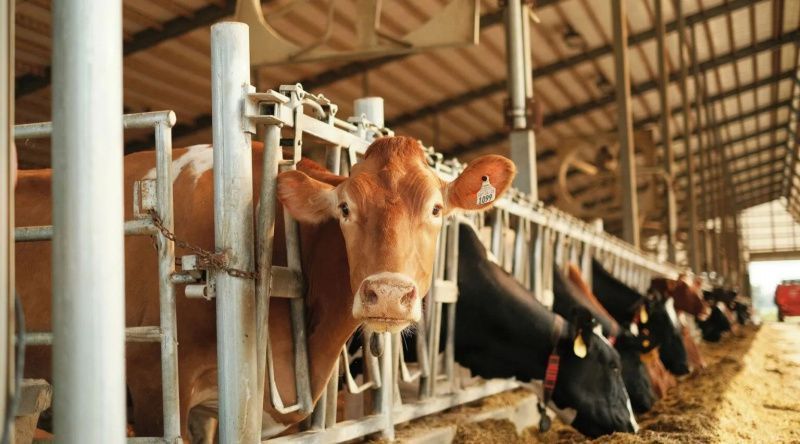
Utilizing liquid dairy manure as a primary nutrient source for crops like corn and soybeans is increasingly recognized as a beneficial practice both economically and environmentally. Experts in agronomy emphasize that dairy manure contains essential nutrients such as nitrogen, phosphorus, and potassium, which can replace costly synthetic fertilizers when applied correctly.
Agribusiness specialists highlight the importance of managing application timing and soil conditions to optimize nutrient efficiency. A key component of this practice is conducting thorough pre-planting nutrient analyses of the manure, which varies in chemical composition based on factors like herd diet and storage methods. This analysis helps prevent potential crop damage or environmental issues stemming from improper application rates.
In terms of economic impact, using dairy manure offers significant savings for farms by reducing reliance on synthetic fertilizers, which are subject to volatile market prices. The practice also addresses the logistical challenges faced by large dairy operations that produce substantial quantities of manure daily. By converting this waste into a valuable fertilizer, farms can cut production costs and improve their financial stability.
When applying manure to soybean fields, specialists recommend techniques such as shallow injection or immediate incorporation to protect the plants, which are sensitive to high nitrogen levels. Additionally, timing these applications to coincide with specific weather conditions can minimize nitrogen loss through ammonia volatilization, ensuring the nutrient remains available to the growing plants.
This integrated approach exemplifies modern sustainable farming practices by demonstrating how dairy waste can be effectively recycled to meet environmental standards. As global regulations become stricter regarding agricultural runoff and greenhouse gas emissions, precision manure management is crucial for reducing the agricultural sector's carbon footprint.
Overall, the strategic use of dairy manure not only supports sustainable agriculture but also provides a financial buffer for farming families, enhancing the viability of multi-generational agricultural operations.