Dutch Dairy Farm Uses Technology to Cut Costs and Improve Cow Health
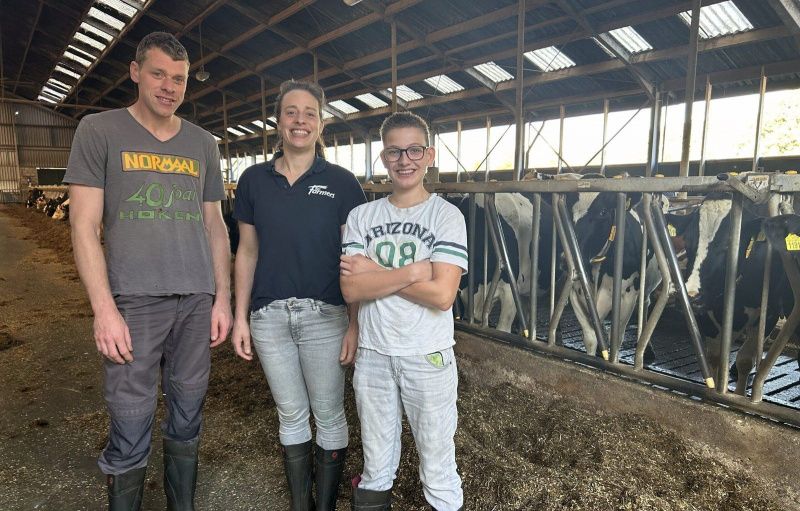
Technology on a 28-hectare farm
Maarten and Corine Pleiter, fourth-generation dairy farmers, operate the farm near Groenlo and use it as a testing site for Dutch technology company Nedap. The herd produced between 2.1m and 2.2m litres of milk last year, with reported milk composition of 3.8% protein and 4.9% fat. The farm’s production costs are about NZ$0.98 per litre, compared with an estimated Dutch average of NZ$1.04.
Milk prices have moved sharply. They fell from NZ$1.20 per litre in 2025 to approximately NZ$0.82 in January before recovering slightly. The farm is also operating in a market where expansion is constrained by land prices and environmental rules, increasing the importance of managing its current land and herd.
Monitoring cows and milk flow
Nedap’s CowControl collars record individual cows’ eating, rumination, resting and walking activity. The system can identify heat and send alerts about changes that may indicate health or reproductive issues. The Pleiters can review notifications on a mobile phone, including alerts generated overnight, and use them to prioritise animals needing attention.
The farm uses Nedap’s SmartSort drafting gate to identify cows and direct them along the relevant routes. SmartFlow records milk yield and milk flow in the milking parlour. The resulting information is used when adjusting concentrate rations and assessing production patterns. The Pleiters use feeding data to align nutritional inputs more closely with herd requirements and to maintain a more consistent milk yield.
Detecting mobility problems
SmartSight, another system installed at the farm, uses a 3D camera to assess cows as they leave the milking parlour. It looks for indications of possible lameness. Maarten Pleiter estimates that lameness on the farm has fallen by half since SmartSight was introduced. He also associates the system with higher milk production and lower culling, while those are reported farm-level results rather than guaranteed outcomes for other operations.
Lameness can affect feed intake, milk production and reproductive performance, and can increase veterinary costs and the likelihood of a cow being culled early. The monitoring systems are used alongside routine herd management rather than replacing it.
Land and environmental constraints
Land prices in the Netherlands have risen from about NZ$50,000 per hectare five years ago to roughly NZ$100,000, according to the report. Prices in western parts of the country have reached NZ$200,000 per hectare. Nitrogen limits and manure-management requirements also affect farm operations; farmers may have to pay to remove surplus manure even when they consider additional nutrients useful for their land.
The Pleiters milk cows throughout the year. Their feeding system combines fresh grass with silage made from pasture, corn, sugar beet and barley. The farm can receive premiums for meeting specified outdoor-grazing conditions and is seeking payments linked to greenhouse-gas emissions as calculated by its milk processor. The farmer also adjusts dietary protein and energy levels as part of feed and environmental management.