Dairy-plant coatings: requirements for hygiene, maintenance and worker safety
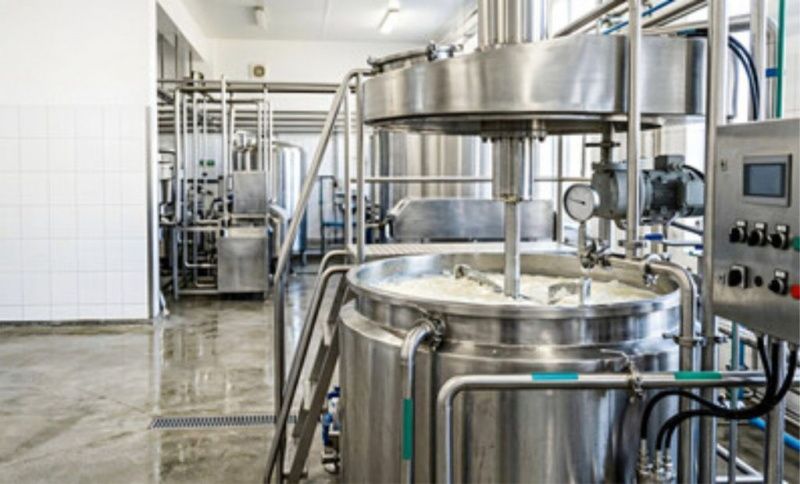
Dairy factories undergo repeated high-pressure washing, while their surfaces encounter fats, oils, acids and temperature changes. These conditions increase contamination risks and place demands on materials used in food-production areas. The overview describes USDA-compliant coatings as non-absorbent, readily cleanable and without cracks or gaps where bacteria could collect. FDA guidance emphasises sanitary design, resistance to microbial growth and compatibility with cleaning procedures. Joint-free finishes with chemical resistance help meet these requirements. Formulations can also address particular microbial concerns, including Listeria and Salmonella. Older buildings and converted premises may require coatings that support sanitation approaching cleanroom standards.
Moisture, temperature fluctuations and aggressive cleaning chemicals can damage unprotected surfaces, producing cracks, corrosion and places where bacteria can multiply. Protective systems form a barrier over floors, walls and ceilings. According to the overview, processors weighing refurbishment against additional construction are giving lifetime expenditure as much consideration as initial building costs. High-performance coatings can extend asset life, lower maintenance requirements and limit unplanned stoppages. Protecting concrete, steel and roofing also allows plants to retain existing infrastructure while continuing to meet sanitary requirements, rather than replacing those structures prematurely.
Floor finishes with slip resistance reduce the risk of falls where water or grease accumulates. Light-reflective coatings can improve visibility in processing areas, supporting worker safety and productivity. Low-odour formulations and short curing times limit disruption during installation and allow production areas to return to service sooner. Surfaces that are easier to wash also reduce the labour and time required for sanitation, helping cleaning teams work within production schedules. These characteristics address both routine operation and the periods when a facility applies or renews its protective finishes.
For floors, the overview identifies urethane cement and epoxy as durable resin-based options. Their specified characteristics include traction when wet, a continuous surface that removes potential microbial harbourage points, and resistance to thermal shock and harsh sanitising chemicals. Low odour is another requirement to avoid affecting food or employees during application. Installation must also fit restricted production windows. Once in service, floor systems need to withstand acidic by-products generated during dairy processing, together with repeated cleaning at elevated temperatures. These demands apply alongside the need to maintain a surface that can be sanitised effectively.
Walls and ceilings require non-porous finishes that tolerate splashing, steam and sterilising agents while remaining easy to clean. Such properties are particularly important in humid or splash-prone rooms used for whey processing and yoghurt production. In temperature-sensitive areas, including pasteurisation and drying rooms, thermal-insulating coatings help control the surface temperature of pipes. The overview describes their role in limiting condensation and preventing mould formation. By reducing heat transfer into or out of the pipework, these coatings also contribute to energy efficiency and support facilities' sustainability objectives.
Liquid-applied roof coatings provide protection against leaks, mould and thermal damage. Their applications include safeguarding sensitive production areas, such as milk-powder drying rooms, and open washdown areas against contamination and moisture ingress. The choice of protection therefore extends beyond surfaces in direct processing rooms to the building envelope. Across the facility, requirements vary from high-moisture washing zones to areas with clean-in-place systems. The overview recommends matching coating specifications to the operating conditions of each area and considering protective finishes during the design stage of capacity additions and modernisation projects.
The maintenance approach described begins with an assessment of existing surface conditions and protection needs throughout the plant. Project planning then coordinates the work with production cycles, available budgets and the facility's objectives. Installation calls for quality application, specialist supervision and validation after completion. A proactive programme aligns upkeep with operating requirements and production schedules to preserve coating performance over time. The overview also recommends consulting a coatings specialist to select systems suited to the individual dairy operation.