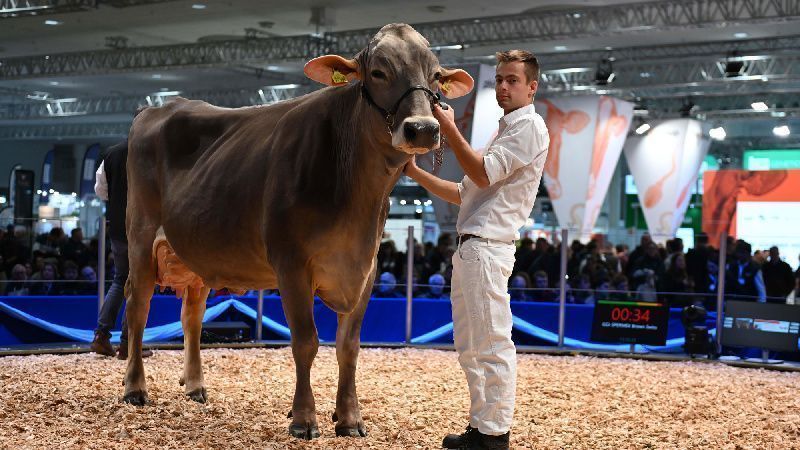
Dairy Cows Require Management After Producing High Milk Volumes
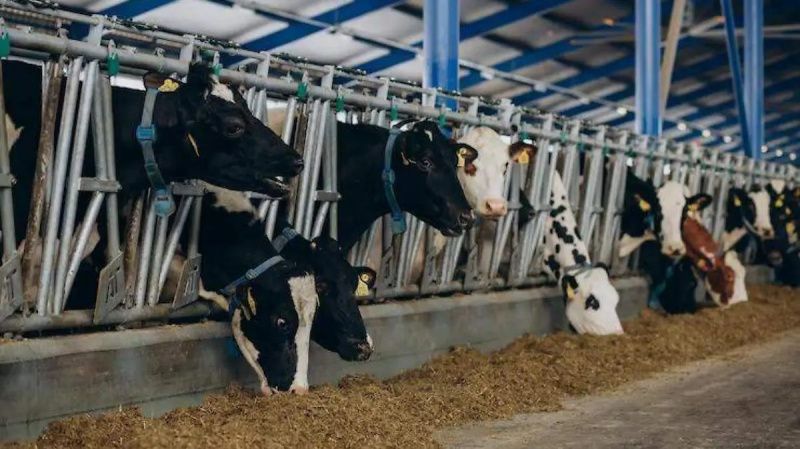
Milk production at this level requires continuous supplies of glucose, amino acids, lipids and minerals. For each litre of milk produced, the bovine circulatory system moves between 400 and 500 litres of blood through the mammary gland. The article describes this metabolic workload as requiring regular monitoring and recovery protocols on dairy farms.
The period immediately following milking is important for udder hygiene. The teat sphincter can remain open for between 30 and 45 minutes, leaving the udder exposed to environmental pathogens. Recommended handling includes applying a barrier sealant and offering fresh feed straight after milking, so that cows remain standing while the teat canal closes naturally.
Water intake and lying time are also part of the post-milking routine. A high-producing cow can drink between 100 and 150 litres of clean, fresh water each day to replace fluids used in milk secretion. The animals are described as needing 10 to 14 hours of daily rest on clean, dry bedding. While lying down, blood flow to the udder can rise by as much as 30%, and the position supports rumination.
Nutrition programmes seek to limit negative energy balance and metabolic disorders associated with lactation. The conditions identified include ketosis, subacute ruminal acidosis and post-calving hypocalcaemia. Farms use total mixed rations, or TMR, formulated with effective fibre, energy and highly digestible protein. Rations are adjusted to support continued milk production while maintaining body condition and fertility in later cycles.
The management approach also includes the physical environment. Dairy facilities are described as requiring adequate ventilation, shade and non-slip flooring, alongside precision nutrition. The article presents these measures as part of animal comfort, health and welfare practices and links them to the productive life of the herd and the operating performance of dairy businesses.