Dairy Companies Increase Milk Protein to Improve Processing Yields
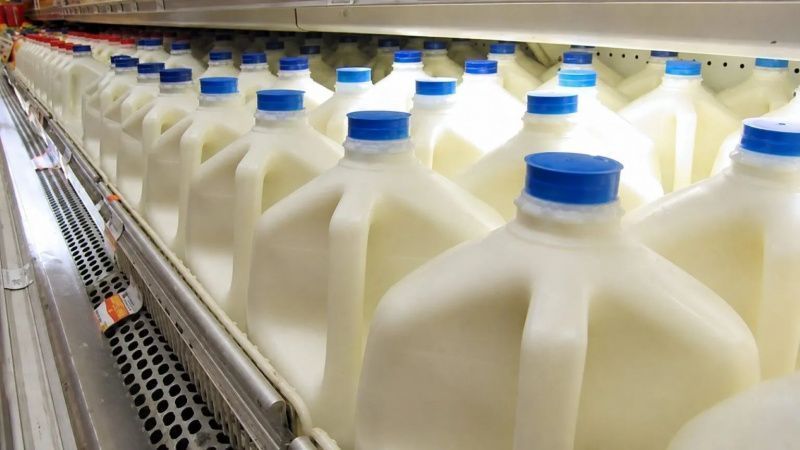
Dairy processors are seeking a sustained increase in the protein content of raw-milk supplies, with greater emphasis on the concentration of milk solids rather than liquid volume. The shift is linked to the operating requirements of processing plants and to expanding consumption of high-protein and functional food and beverage formulations.
On farms, producers are combining genomic selection with precision animal nutrition. Breeding programmes are being used to raise the synthesis of casein and whey protein, while feed rations are being adjusted with rumen-protected essential amino acids, including methionine and lysine. The stated aim is to improve the efficiency with which milking cows convert nutrients while maintaining animal welfare and productive longevity.
Payment arrangements based on several milk components are providing the main commercial incentive described by the industry. Under these contracts, processors pay separately for each additional tenth of a percentage point of protein delivered to collection centres and pasteurisation plants. The arrangements are intended to give farmers more predictable and higher returns while helping offset the cost of feed, fuel and electricity and supporting continued investment in technology and farm infrastructure.
For dairy manufacturers, milk with a higher protein density can increase output in the vats used to make cheese and strained yoghurt. It can also lower the water and thermal-energy requirements associated with drying and evaporation in the production of higher-value ingredients, including milk-protein concentrates (MPC) and whey-protein products identified as WPC and WPI.
The sector is also presenting greater nutrient density as a way to strengthen the competitiveness of dairy products against plant-based substitutes and ultra-processed foods. Producing more protein of high biological value per animal is described as reducing water use and greenhouse-gas emissions per kilogram of nutrient produced.
The measures form part of a broader effort involving farmers, collection facilities and processors. The industry is linking higher protein yields with manufacturing efficiency, specialised nutrition markets and environmental objectives, while using payment terms to encourage changes in production practices.