Blue Bottle Coffee reinstates whole milk as its default
Blue Bottle changes its ordering default
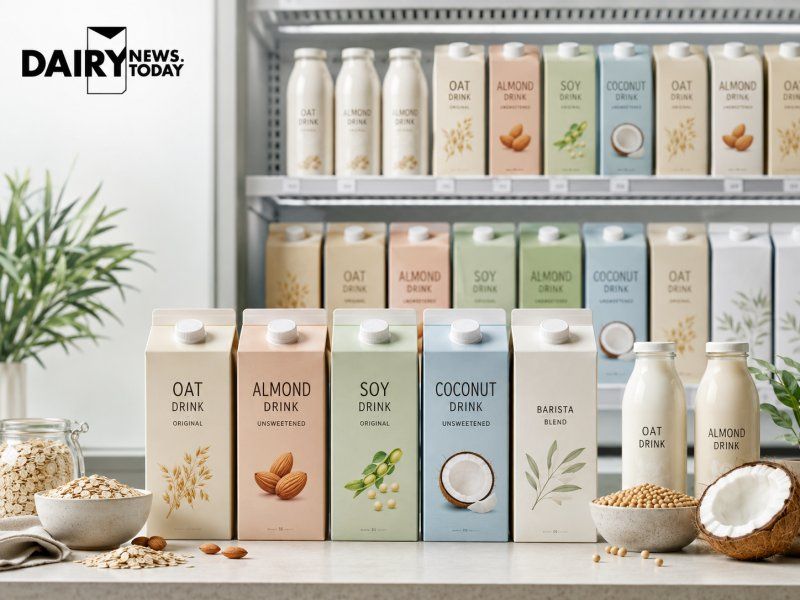
Blue Bottle Coffee has changed the milk setting for its drinks after making oat milk the default across its outlets. In the company’s app, a latte is now configured with whole milk unless the customer selects another option. At cafés, baristas ask customers to choose between whole and oat milk.
The company said that customer preferences had shifted since oat milk was introduced as the standard. It reported strong demand for both dairy and plant-based products and said asking customers directly would help staff prepare orders correctly and reduce remakes.
Blue Bottle first announced the change to oat milk in 2021 at its California locations. Karl Strovink, then the company’s chief executive, said the chain wanted to contribute to lower emissions. By 2023, oat milk had become the default at all Blue Bottle locations.
The company retains its sustainability policy
Blue Bottle said the latest change concerns the way milk preferences are confirmed during ordering rather than its wider sustainability policy. Oat milk remains available without an additional charge.
Five months after the 2021 change, the company reported that plant-based milk was being used in 75% of its milk-based beverages. The new default applies to whole milk, while customers can still request oat milk through the app or in person.
Dairy’s environmental footprint
The United States dairy industry produces about 2% of the country’s greenhouse-gas emissions. Global aviation accounts for approximately 2.5% of emissions. Dairy production is also associated with deforestation, land degradation and water pollution.
In one recent case, Wisconsin-based Central Sands Dairy was ordered to pay $245,000 to settle claims involving manure runoff that polluted local residents’ drinking water. Research summarized by Our World in Data says cow’s milk produces roughly three times the greenhouse-gas emissions of plant-based alternatives, uses about ten times more land and requires between two and 20 times more freshwater. It also has higher eutrophication impacts.