Bhiwandi Milk Prices Have Approached ₹100 a Litre
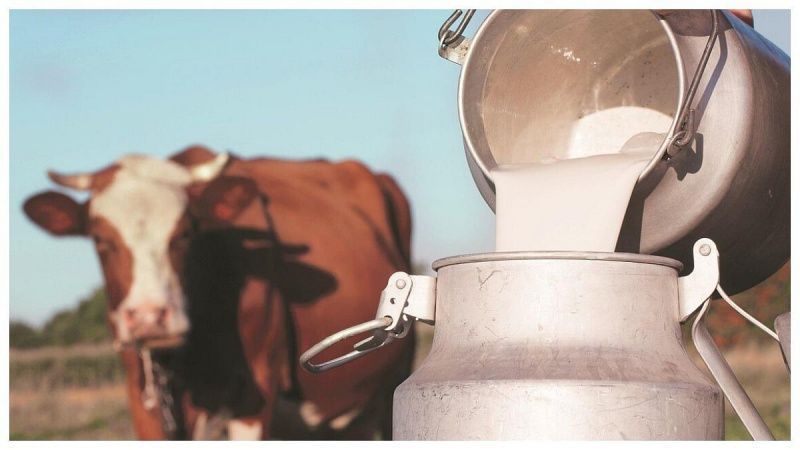
Milk sold at local cattle sheds in Bhiwandi has reached almost ₹100 per litre. Local dairy owners and vendors have raised prices by between ₹2 and ₹4 per litre at various points, according to a report by The Free Press Journal. The increases have come during the festive season, when demand is stronger, and have added to household expenses.
Farmers say higher retail prices have not necessarily improved their income. Anand Gadre, president of the Bhiwandi Taluka Milk Producers and Vendors Association, said several feed ingredients had become more expensive within roughly 20 to 25 days. Oil cake, previously priced at ₹38–₹40 per kilogram, has risen above ₹50. Chuni, a feed by-product, has increased from ₹30–₹32 to about ₹40 per kilogram.
Other fodder costs have also risen. The price of dry fodder, or bhusa, has moved from ₹950–₹960 to ₹1,370. Paddy straw has increased from ₹7–₹8 per kilogram to ₹24, while grass now costs ₹30 per kilogram, compared with ₹22–₹23 earlier. Feed mixtures and chaff are priced at more than ₹50 per kilogram, against ₹38–₹40 previously. Chaff made from jawar and bajra stalks has risen from ₹15–₹16 to above ₹20 per kilogram.
Farmers are also facing higher costs for livestock. Gadre said cows now cost more than ₹1 lakh. Buffaloes that previously sold for about ₹1 lakh to ₹1.5 lakh are reportedly being sold for ₹2 lakh to ₹3 lakh. Producers must additionally pay for veterinary care, medicines, animal housing, feed and daily maintenance, including when milk output varies between milking sessions.
In Shahapur taluka, members of the Milk Producers Farmers Social Organisation have started an indefinite strike and stopped supplying milk to dairy operators. The farmers submitted a memorandum to the tehsildar, calling for an immediate increase in procurement prices and local administrative action over disputes with dairy operators.
The protesting farmers said supplies would remain suspended until they received fair and remunerative milk prices. They described the action as peaceful and democratic. The organisation said the issue was particularly difficult for farmers who had borrowed money to buy milch animals, while Gadre raised concerns about the limited support available to producers.
Dairy farmers in the area are seeking procurement rates that account for feed, fodder, livestock and veterinary expenses. The dispute involves the relationship between retail prices, payments received by producers and the costs of maintaining milk-producing animals. Milk remains a regular household food, while dairy farming provides income for many rural families in the region.