Stella Alpina suspends cheese production as raw milk prices rise
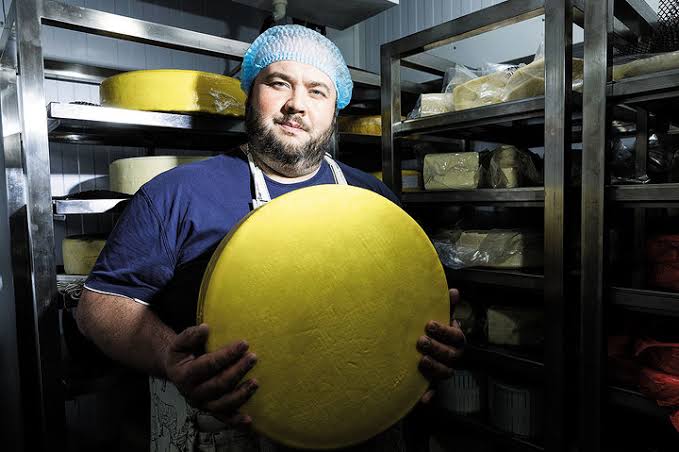
According to Nagin, during its 10 years in operation, his facility had the capacity to process up to 2 tonnes of milk a day and employed 15 people. “Above 350, you reach the break-even point,” he said. Raw milk currently costs around 550 tenge per litre, he said, and at that price, bryndza or fresh cheese would cost around 6,000 tenge per kilogram. Stella Alpina has therefore suspended production and is selling off its remaining stocks of aged cheeses.
Nagin believes that the only people making money in artisanal cheesemaking today are those who make the cheese themselves, without hired staff. Aged cheeses are not worth producing in Kazakhstan, he said, because they tie up money for a long time. Those making mozzarella and burrata are surviving. In 2019, the company signed a contract with the Magnum retail chain, but the experience showed that partnerships between artisanal cheesemakers and major retailers do not work: the chains do not maintain the required temperatures. The company also held four cheese festivals, but according to Nagin, cheese consumption culture has barely developed in 10 years, and many cheesemakers did not survive the pandemic’s aftermath.
Nagin described the hotel, restaurant and catering sector (HoReCa) as a major driver for cheesemakers, but with caveats: restaurants buy small quantities, and delivery is expensive. In addition, he said, official statistics show that more than 3,600 small and medium-sized businesses have closed in Kazakhstan, and many restaurants are closing because of the growing tax burden.
“You need to forget these fairy tales or sit down and do the sums properly. As a rule, the problem with optimism is that people don’t do the sums,” Nagin said.