An Irish Dairy-Beef Trial Offsets Falling Cattle Numbers
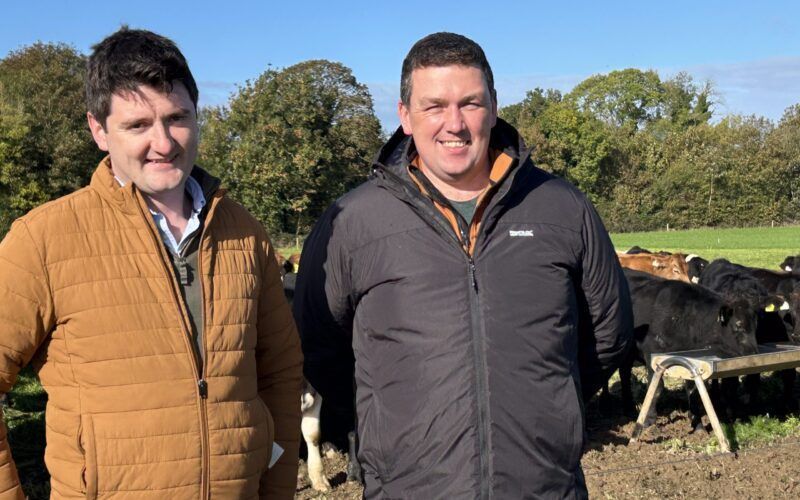
A consortium made up of agricultural research body Teagasc, meat processor Dawn Meats and commercial operator Shinagh Estates is running the demonstration enterprise at Ballyvadin in County Tipperary. The farm occupies 138 hectares of leased pasture and is designed to test whether calves from dairy herds can replace part of the throughput traditionally supplied by suckler cattle while meeting processor specifications.
In 2026, the farm received 443 calves aged three weeks. They were born between mid-January and late March and arrived at an average weight of 54kg. The calves were vaccinated on arrival and managed under standardised hygiene and nutrition procedures. Reported mortality during the early rearing period was between 0.7% and 1.0%.
The production system uses rotational grazing on clover-rich pasture before cattle move into a controlled finishing period. During their first grazing season after weaning, the animals recorded daily liveweight gains of 0.6kg to 0.7kg. In the latest slaughter group, 191 steers averaged 316kg in carcass weight at 21 months. They were 10kg heavier than the previous year’s group and reached the required slaughter condition almost a month earlier.
A separate group of 153 heifers averaged 270kg in carcass weight at slightly more than 20 months. That result was 16kg above the comparable figure from the previous year. The farm combines high-energy forage with targeted concentrate feeding, with the stated aim of limiting the time cattle spend on indoor or higher-cost finishing diets.
Calf selection is based on the Commercial Beef Value index, which measures traits including feed intake, daily gain and muscular development. The trial sources calves with at least a four-star national genetic rating. It uses beef sires with high index values over dairy cows selected for their dairy-breeding performance. According to the project’s results, the resulting cattle generally achieved fat scores of 3 to 3+, allowing more carcasses to meet the processor’s preferred specifications.
The farm was established with approximately €980,000 of capital. About €560,000 was spent on housing, slurry storage and machinery; the balance covered livestock purchases and seasonal working capital. The enterprise employs 1.5 full-time labour units and includes labour at market rates in its financial calculations. Its economic model puts the additional net margin from higher-merit cattle at more than €230 per hectare compared with lower-merit animals, citing feed conversion and fewer days on feed as the main measured differences.
The consortium is also testing contracts linking calf prices to independently verifiable genetic-index scores. Such arrangements are intended to give dairy farmers a clearer return for using sexed semen to produce replacement dairy animals and beef genetics on the rest of the herd, while giving finishers a more predictable supply of vaccinated calves. The project is presented as a commercial model for integrating dairy production with beef finishing as Ireland’s cattle numbers decline and environmental rules and herd limits affect traditional suckler production.