Amit Shah Honours Tribuvandas Patel’s Dairy-Cooperative Legacy
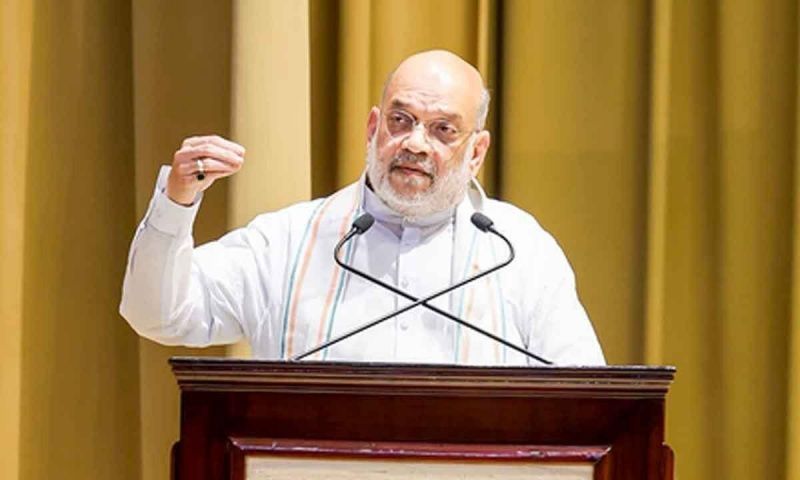
Amit Shah, India’s Union Minister of Cooperation, paid tribute to Tribuvandas Patel on October 23, 2026, the anniversary of Patel’s birth. In a social-media post, Mr Shah described Patel’s contribution to dairy cooperatives and to the development of India’s White Revolution.
Mr Shah said Patel worked under the guidance of Sardar Vallabhbhai Patel. In 1946, Patel began forming the Kheda District Cooperative Milk Producers’ Union in Gujarat. That organisation later developed into Amul, which has become one of India’s best-known dairy brands and a prominent example of the country’s cooperative model.
The Kheda initiative created a structure in which milk producers could act collectively in procurement and marketing. It connected farmers with organised channels for handling and selling milk, while providing the institutional basis for the expansion of dairy cooperatives in India.
According to Mr Shah, the cooperative system associated with Patel now benefits more than 36 lakh farmers, as well as lakhs of women. The figures were cited in his account of the movement’s development and of Amul’s growth from a regional initiative into a national dairy enterprise.
Mr Shah also referred to Tribuvandas Cooperative University in Anand, Gujarat. Named after Patel, the institution has been established as India’s first National Cooperative University, with the stated purpose of developing trained leadership for the cooperative sector.
The university’s creation was presented as part of efforts to build expertise for cooperative institutions and to prepare professionals and leaders for the sector. Mr Shah said Patel’s life and commitment to cooperation would continue to inspire the national vision of “Prosperity through Cooperation.”
Patel’s contribution is associated with the founding of the Kheda cooperative, the expansion of Amul and the wider development of India’s dairy-cooperative sector. The tribute also recalled the role of cooperatives in supporting milk producers, rural livelihoods and institutions serving farmers.