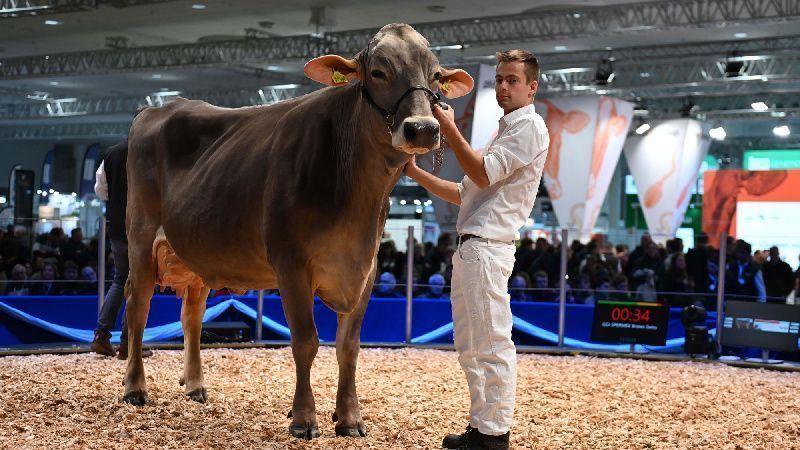
Aguascalientes produces 1,039 litres of goat milk daily
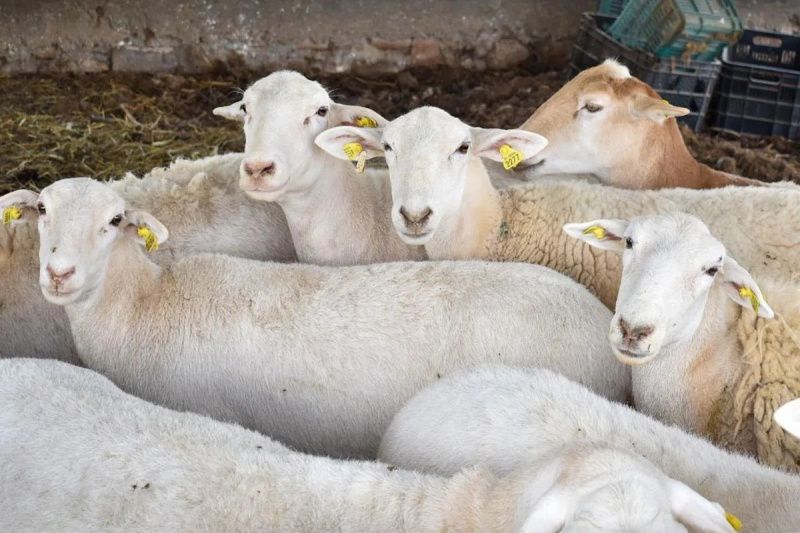
The figures were presented during an event marking the 40th anniversary of Aguascalientes’s local association of sheep and goat breeders. The state’s Secretariat of Rural and Agribusiness Development gave recognition to producers involved in raising and marketing the animals.
Official livestock records list 57,810 sheep and 10,934 goats in active production units across the state. Within the goat sector, daily collection has reached 1,039 litres of fresh milk with a high concentration of soluble solids. The supply is directed towards highly digestible dairy formulas for infants and people with lactose intolerance, alongside speciality cheeses made by artisan producers.
Production is supported by genetic-improvement programmes and technical herd management. Goat breeds cited in the report include Saanen, French Alpine and Toggenburg. Some herds have received national championships in livestock judging competitions, while mechanised milking and immediate cooling to 4°C are used in technologically equipped facilities.
Producers also apply teat-disinfection procedures, preventive veterinary programmes and biosecurity measures intended to limit mastitis and intestinal disease. The report attributes the milk’s digestibility characteristics to smaller fat globules and its protein structure. Stainless-steel tanks and temperature control are used to preserve the product during storage and delivery to processors.
Processors use goat milk for medical and specialised markets, dehydrated powders and soft-ripened cheeses such as traditional chèvre. The report says demand in retail channels has increased alongside the diagnosis of allergies to cow’s-milk proteins and digestive disorders. Producers are seeking collective collection systems to reduce road-transport costs to drying plants outside the state, while links with food and pharmaceutical companies are intended to support regular purchasing agreements.
Goat farms face higher costs for feed grains, silage and mineral supplements. The report says the animals’ feed-conversion rate and climatic adaptability allow them to require less forage per head than larger livestock, including during periods of water scarcity. Farm income comes from fluid milk, breeding males and registered breeding stock, while state and federal agricultural agencies provide some small equipment, fencing and reproductive advice to smaller producers.
The association was originally founded by 13 breeders. Its activities have been presented as a way of combining goat farming with cattle dairying and supporting rural employment. Livestock leaders have also called for individual production records and digital traceability in the sector, while the recognition ceremony highlighted established breeders and the development of goat farming in Aguascalientes.