A Yakima County Resident Tested Positive After Cattle Exposure
Washington’s first dairy-linked human case
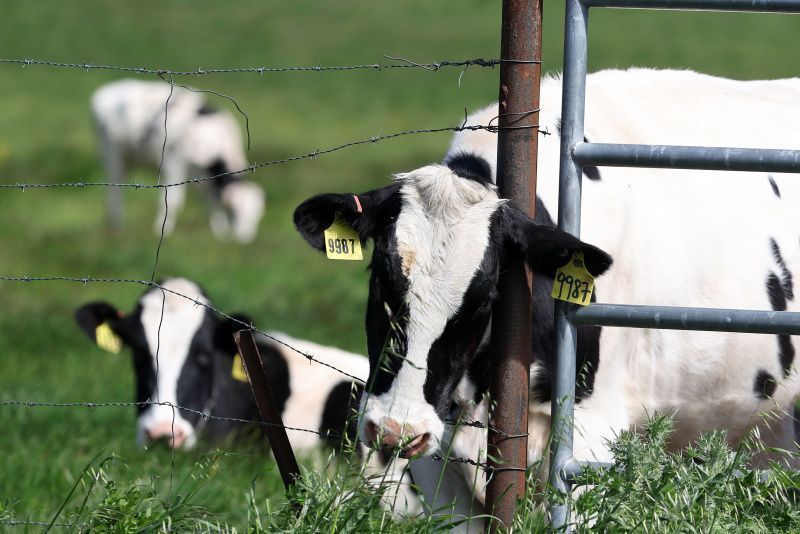
The Yakima Health District reported the infection seven days after federal and state laboratories identified H5N1 in two dairy herds in Yakima County. Those detections, announced on October 8, were Washington’s first confirmed livestock cases. A third herd was confirmed on October 15, and five more were reported on October 16, bringing the county total to eight, according to reports citing the Washington State Department of Agriculture.
The patient experienced no severe illness, was not admitted to hospital and was recovering in isolation at home. Officials have not disclosed the person’s age, occupation or the date when symptoms began. The initial announcement did not provide a virus subtype beyond linking the infection to the H5N1 outbreak in cattle.
Health workers are contacting people who had close contact with the patient and are coordinating with dairies that may have housed infected animals. The district said the work would ensure that contacts understood which symptoms to monitor and could obtain testing and treatment if necessary. Dr Dave Atteberry, the district’s health officer, said: “We want to make sure they know what symptoms to watch for and can access testing and treatment if needed.”
Officials said the general public’s risk remains low. Particular attention has been advised for dairy employees, relief milkers, veterinarians, livestock haulers and their households in the Yakima Valley. Human-to-human transmission has not been documented in the United States, according to the health district, which described such spread as extremely rare.
Monitoring and treatment guidance
Contact tracing is focused on people with close or prolonged exposure. Health workers are asking household members and co-workers to watch for eye redness or irritation, fever, coughing, sore throat, a runny nose, body aches, headache and fatigue. People who develop symptoms after working with cattle have been advised to tell a healthcare provider about the exposure, because a standard influenza test may not exclude avian influenza.
The district has supplied affected dairies with protective equipment and guidance. Its clinical advice to local providers calls for suspected cases to receive the antiviral oseltamivir without waiting for laboratory confirmation. It also recommends an eye swab when conjunctivitis is present. Workers who believe they were exposed have been directed to contact a healthcare provider or the Yakima Health District.
Different exposure routes
On dairy farms, infected cows can carry high concentrations of virus in their milk. During milking or the cleaning of equipment and parlours, splashes into the eyes, nose or mouth are a principal concern, making goggles and face shields important forms of protection. Poultry workers face a different exposure pattern when removing infected flocks: feathers, dust and droppings in enclosed barns can put greater emphasis on respiratory protection.
Most reported US infections since 2024 have been mild, although the Centers for Disease Control and Prevention has recorded hospitalisations and deaths. The CDC’s national situation page, updated on October 15, listed 72 human H5 cases in the country since February 2024, mostly among dairy and poultry workers. The agency had not said whether the Yakima case was included in that count.
Food and household precautions
The district has advised households not to give pets raw milk, unpasteurised dairy products or raw meat, including uncooked pet food. Cats elsewhere in the country have died after drinking contaminated raw milk. Pasteurised milk is considered safe, and milk from infected cows is diverted from the food supply.
Households keeping backyard poultry have been advised to reduce contact between their birds and wild waterfowl during autumn migration and to report sick animals to the state agriculture department. Seasonal influenza vaccination does not prevent avian influenza, but state officials recommend it for farm workers to reduce the possibility of simultaneous infection with both viruses.
USDA genetic sequencing was still pending in the available reporting. The results could establish whether the Washington herds carried the strain circulating in cattle since 2024 or a strain introduced through a new spillover from wild birds.