A Smallholder Describes the Demands of Dairy Farming
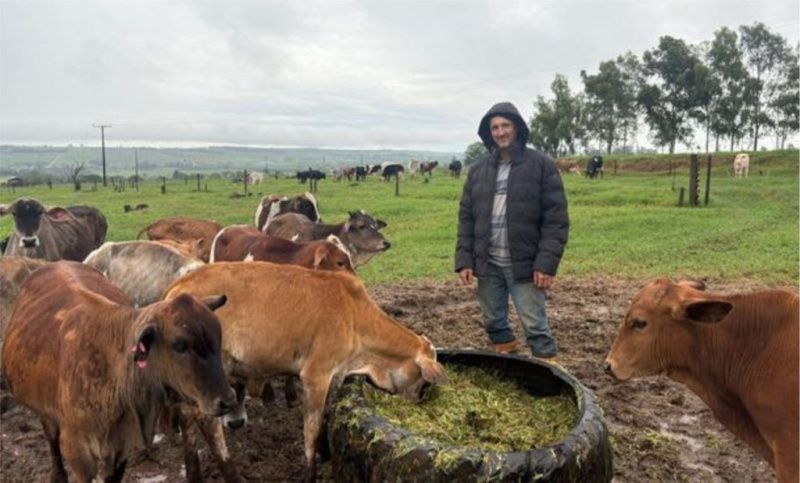
Reinaldo keeps about 80 head of beef cattle and 33 dairy cows. He milks the dairy herd once a day, while also managing animal feeding, pasture care and other routine tasks on the property.
His work extends beyond livestock production. Reinaldo provides agricultural services to other customers, using a tractor and associated equipment. His wife takes part in the farm’s daily activities, particularly by caring for the calves when he is working away from the property.
The schedule requires regular attention in different weather conditions. Rain, cold and mud are among the circumstances he faces while handling the animals. The need to remain available for the herd also limits opportunities to travel or spend extended periods away from the farm.
Feed is one of the recurring expenses. The herd’s diet includes purchased feed and cassava meal, while medicines and sanitary care add further costs. Reinaldo says that maintaining the activity becomes more difficult when the price paid for milk is low.
Over the years, he has changed the way he works. He began by milking a small number of cows by hand. As the herd expanded, he was able to obtain equipment that made the work easier, although the routine still requires daily attention.
For Reinaldo, dairy work involves more than the milking itself. The animals must also receive food and the care needed to sustain production. At the end of the interview, he summarised his experience in a short statement: “Cows don’t give milk. You have to go there and take it.”