A Meath farmer boosts profits with Wagyu calves
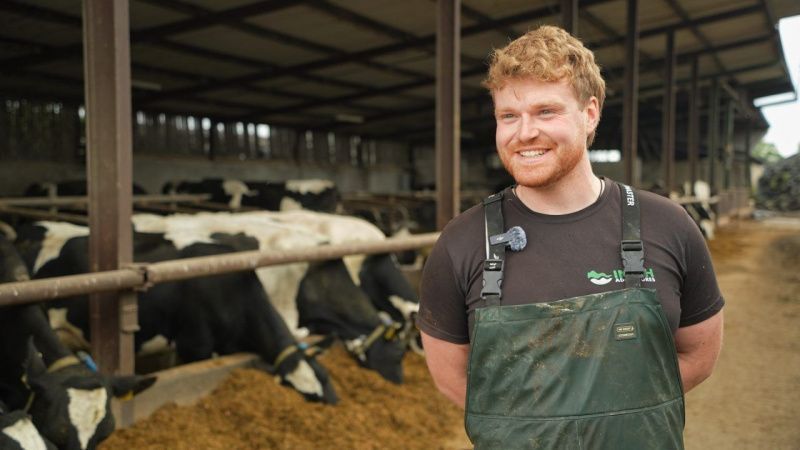
Lorcan McDonnell milks slightly more than 240 cows with his parents, Laurence and Anne-Marie, on their farm in County Meath. The herd is managed through a robotic milking system. The farm has faced higher costs, weak milk prices and the effects of a drought that lasted two months.
McDonnell breeds replacement dairy heifers from his best 70 to 80 cows. He uses beef genetics on as many as 150 of the remaining animals, selecting among Angus, continental breeds and other options. After speaking with Michael Quinn of Progressive Genetics before last autumn’s breeding season, he chose to try Wagyu.
McDonnell initially used 25 Wagyu straws, of which 17 resulted in pregnancies. He then used a further 30 to 40 straws for the spring-calving group this year; scans showed strong conception rates. He said Wagyu calves had been straightforward for his cows to deliver, reducing the difficulties associated with calving.
McDonnell subsequently joined a programme operated by Warrendale Wagyu in partnership with Kepak. Cathal Doyle of Warrendale said the scheme gives dairy farmers a fixed price for Wagyu-sired calves and adds a breed premium of €1.50 per kilogram when the animals are finished for beef.
Farmers who rear cattle through to finishing can retain the calves and claim the premium when the animals are sent to Kepak. Those without facilities to rear them can have the calves collected from the farm at 21 days old. Warrendale arranges for a beef farmer to take over their rearing.
McDonnell said the collection service removed the need to gather calves and transport them to a sale. “He is straight out the door, here when you need him, picks them up with the trailer and away with them,” he said. Doyle described the guaranteed prices as providing “an element of security” to both dairy and beef farmers.
McDonnell said securing the value of calves was the main reason for changing his breeding approach. “The big thing for us and the reason we're transitioning to the breeding system we have is to secure the price of calves,” he said. He added that calf prices had become an important part of the farm’s profit margin and that the fixed-price arrangement provided a platform to “build a future on”.