Wisconsin Dairy Farm Decline Highlights Structural Challenges in Agriculture
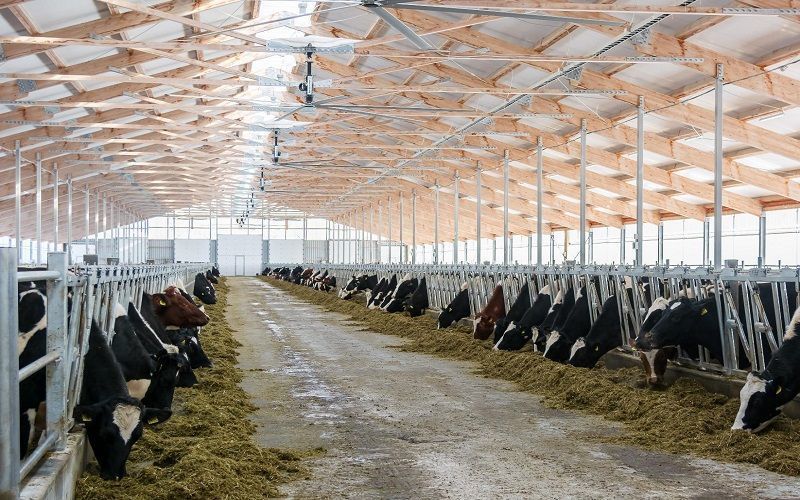
The state of Wisconsin, historically a cornerstone of America’s dairy production, has seen a dramatic reduction in the number of dairy farms. From approximately 12,000 in 2004, the number of dairy operations is anticipated to fall to around 5,000 by 2026. This decline coincides with a notable rise in farm bankruptcies reported in 2025, suggesting increasing financial pressures on producers.
Several factors are contributing to this crisis. Rising costs for fuel, fertilizers, and other essential inputs have compounded the economic challenges for farm operators. These cost increases are partly linked to disruptions in global energy markets and shifts in trade policies, which have unsettled the financial stability of the agricultural sector.
Despite these issues, legislative efforts have primarily concentrated on oversight of food assistance programs, such as the Supplemental Nutrition Assistance Program (SNAP), and immigration policy debates. Critics argue that these focuses have detracted from the need for comprehensive agricultural reforms aimed at stabilizing the dairy industry and ensuring the sustainability of rural communities.
Additionally, the report highlights broader structural changes within the U.S. food system. There is an increasing trend towards corporate concentration and a growing reliance on both agricultural exports and imported food products. This shift underscores the systemic challenges facing small-scale farmers.
In response to these issues, various legislative proposals have been put forward. The Farmland for Farmers Act and the Family Grocery and Farmer Relief Act are two such measures designed to restrict corporate land ownership and reduce market concentration, aiming to support family-run farms and local food systems.
As Wisconsin’s dairy farms continue to struggle, these proposed legislative actions seek to address the root causes of the industry’s decline and offer a path towards greater market equity and sustainability for rural economies.