Uruguayan Dairy Sector Faces Challenges Amid Labor Dispute
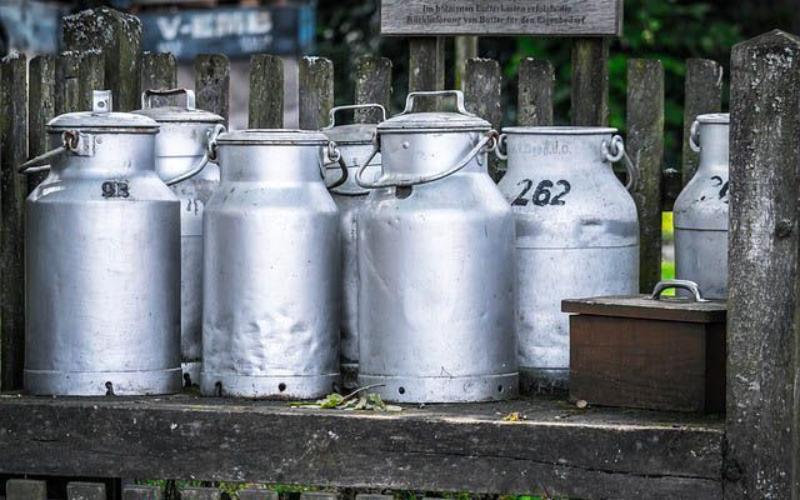
The Uruguayan dairy industry is experiencing a paradoxical situation where favorable production conditions are overshadowed by ongoing labor disputes. According to Matías Carámbula, the Deputy Minister of Livestock, Agriculture, and Fisheries, the sector is experiencing bottlenecks that threaten its long-term sustainability.
The labor dispute, persisting for over ten months in the Salary Councils, is hindering the ability to build a future perspective. Despite reasonable prices and a recovery in milk supply following a drought, unresolved labor issues are impacting the entire supply chain, especially producers.
In addition to labor issues, the government is focusing on three critical fronts for 2026: addressing the concentration of production, competition within Mercosur, and disadvantages in the Chinese market. The closure of 1,300 family-run dairy farms raises concerns about production concentration among large players, prompting policies aimed at maintaining economic dispersal in rural areas.
Competition in Mercosur, particularly with the European Union agreement, poses a threat as subsidized European dairy products could enter the Brazilian market, Uruguay's key trading partner, potentially displacing local supply.
Uruguay also faces tariffs of around 10% in China, while competitors like New Zealand and Australia enjoy better access conditions. The lack of resources for dairy promotion, unlike the meat sector, limits Uruguay's market positioning.
Carámbula emphasized the importance of overcoming these challenges to harness the sector's potential for economic impact, stating, "The dairy industry cannot remain trapped in labor conflict."