Sustainable Dairy Farming: Impact of Grass2Gas Practices Evaluated by Penn State
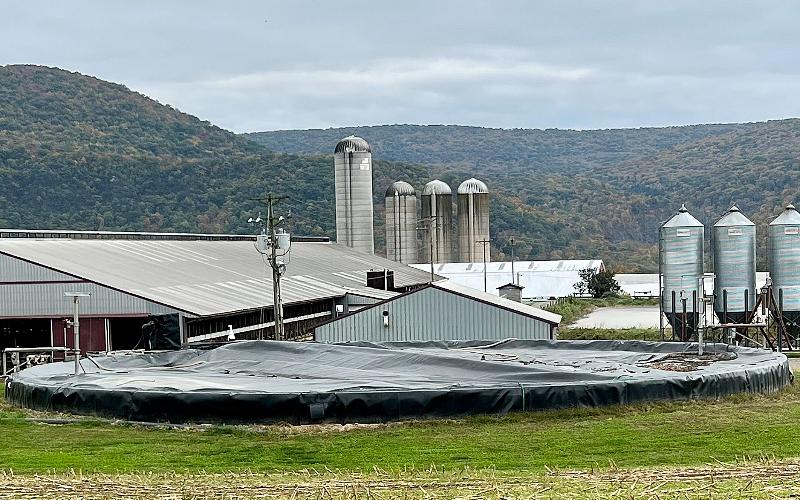
Researchers at Penn State have conducted a study to evaluate the effectiveness of novel practices called Grass2Gas, aimed at reducing nutrient pollution and greenhouse gas emissions in dairy farming. These practices include continuous cover and anaerobic digestion, which convert manure and plant biomass into biogas.
Using lifecycle assessment models, the team found that implementing anaerobic digestion with grassy biomass could potentially reduce the carbon footprint of milk production by over 20% compared to traditional methods. However, the study also indicated that adjustments might be necessary to mitigate overall water and air pollution.
The research, part of a project funded by the U.S. Department of Agriculture, included collaboration with Iowa State University and Roeslein Alternative Energy. It highlights the challenges in integrating anaerobic digestion into farm systems, particularly concerning soil biogeochemistry and nutrient balances.
Christine Costello, the study's senior author, emphasized the importance of considering crop and livestock production alongside energy technology as interconnected systems. The study underscores the complexities of managing digestate, the nutrient-rich fertilizer remaining after anaerobic digestion, which can significantly influence emissions.
The findings were published in Environmental Science and Technology and will be discussed at the Anaerobic Digestion on the Farm Conference at Penn State.
Key Facts
- The practices could reduce the carbon footprint of milk production by over 20%.
- Potential water pollution impacts were mixed, with increased feed imports offsetting some benefits.
- The study is part of a USDA-funded project to assess economic incentives for environmental improvements on farms.