Pāmu Initiates Methane Measurement Trials for Dairy-Beef Efficiency
Pāmu, a state-owned enterprise in New Zealand, has initiated a series of trials at its new methane measurement facility near Taupō. This facility, completed in 2024, is designed to explore the relationship between feed conversion efficiency and greenhouse gas emissions in dairy-beef cattle. The trials involve 48 first-year Synergiser heifers housed in a controlled environment for over two months.
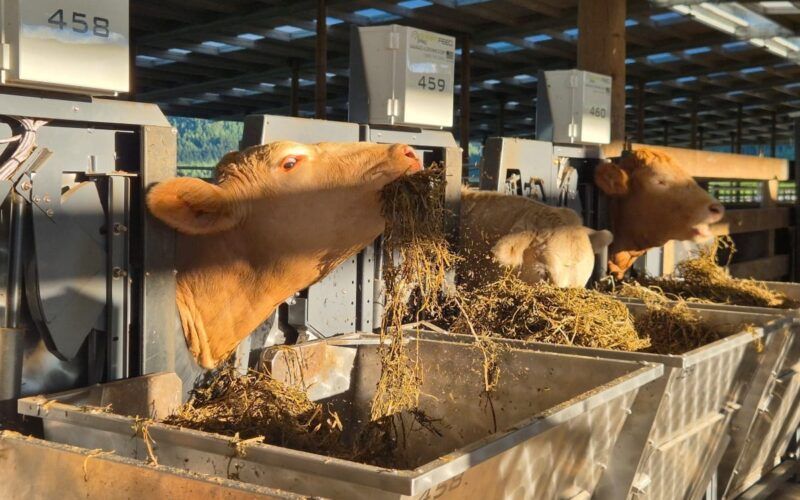
The facility employs advanced technology, including electronic ear-tag recognition and diagnostic equipment imported from the United States. The heifers are monitored using ten automated feed bins, which track their intake through a dedicated mobile application. This setup allows for precise measurement of dry matter intake and liveweight gain, against which individual greenhouse gas outputs are correlated.
The research focuses on discovering bovine genetics with superior feed conversion efficiency, naturally resulting in lower methane emissions per kilogram of product. The controlled environment employs high-protein lucerne baleage, offering optimal metabolisable energy for the cattle.
The trial aims to isolate animals that consume high forage volumes but emit more methane without converting these into meat or performance. Conversely, it seeks to identify cattle achieving superior growth on less feed, thereby aiding in the selection of low-emission breeding stock.
The cattle remain within the deep-litter barn, with bedding replaced twice weekly to uphold biosecurity and welfare standards. Data collected will inform Pāmu's long-term breeding strategies, aligning with international climate targets and domestic emissions regulations.