The Russian Ministry of Agriculture Urges Businesses to Invest in Milk Processing Abroad
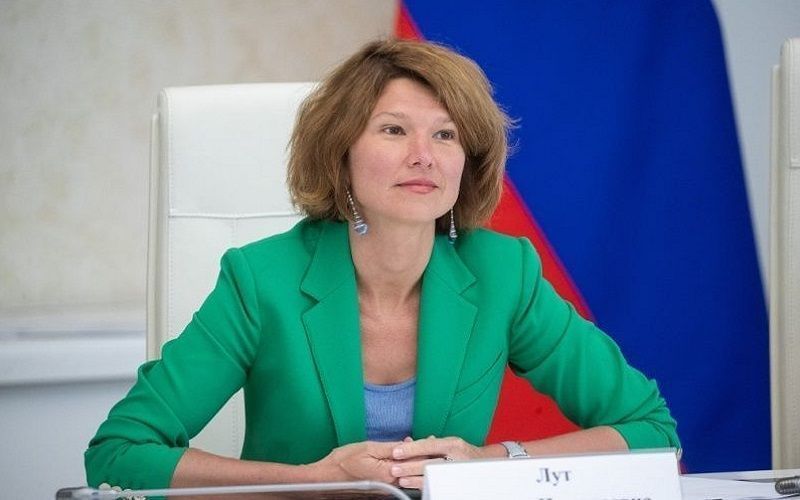
According to Oksana Lutt, Russia is currently almost not using this model, except for some examples in grain processing, where companies are already creating capacities in other countries.
"If we don't think about investing in other countries for processing our raw milk, we will lose those countries," emphasized the minister.
Oksana Lutt noted that the mechanism is being discussed, including the possibility of preferential crediting for such projects. The idea is that Russian raw milk, under intergovernmental agreements, could be supplied to other states and processed there into products for the local market.
"We need some pilots to try this," added the head of the Ministry of Agriculture.
She also pointed out that previously the Ministry of Industry and Trade did not support this direction, but now the approach is changing: the traditional model of exporting "finished goods" no longer guarantees sustainable presence.
"Simply winning partnerships by supplying basic products is no longer possible. Therefore, we must come with investments... This is a separate direction, and it can only be done by businesses oriented towards export," stated Oksana Lutt.
The speaker also reminded that a key task for the industry remains achieving the targets of the Food Security Doctrine: by 2030, milk production in Russia should increase to 38.5 million tons. Growth is happening, but the pace is insufficient for "linear" goal achievement— the Ministry of Agriculture expects production to approach 35 million tons by 2026.
An additional factor for planning, the minister named the common market of the Union State. According to the Ministry of Agriculture, with production growth in Belarus to 10.5 million tons, the combined milk output of the two countries could be about 49 million tons by 2030, while domestic consumption is forecasted at 46.4 million tons. Thus, the potential "surplus" is estimated at 3.7 million tons in terms of raw milk.
"We don't need this, no one needs this. The entire chain should be positive," emphasized the minister, noting that market stabilization will require exporting these volumes.
As reported by milknews.ru, the head of the Ministry of Agriculture directly linked export potential to the cost of raw materials. According to her, in 2024 the purchase price of milk in Russia was 41.7 rubles per kg, while the indicative price in Belarus was 33.8 rubles. "We are expensive. That's the main issue. We are just expensive for now," said Oksana Lutt.
To achieve export parity by 2030, according to the ministry's calculations, the cost of milk production in Russia should be no higher than 37 rubles per kg. The main source of cost reduction, the Ministry of Agriculture identifies as increasing livestock efficiency, where 60–70% of costs are generated, as well as technological modernization and work with genetics.