Kennagri Farms Transitions to Robotic Dairy with Automated Milking Systems
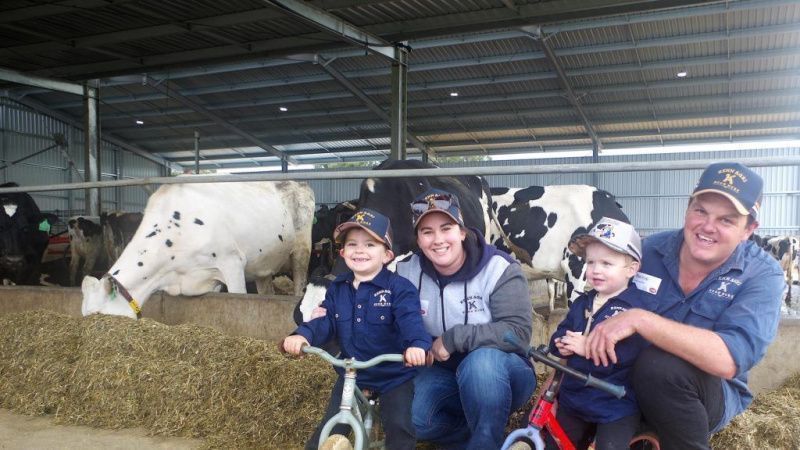
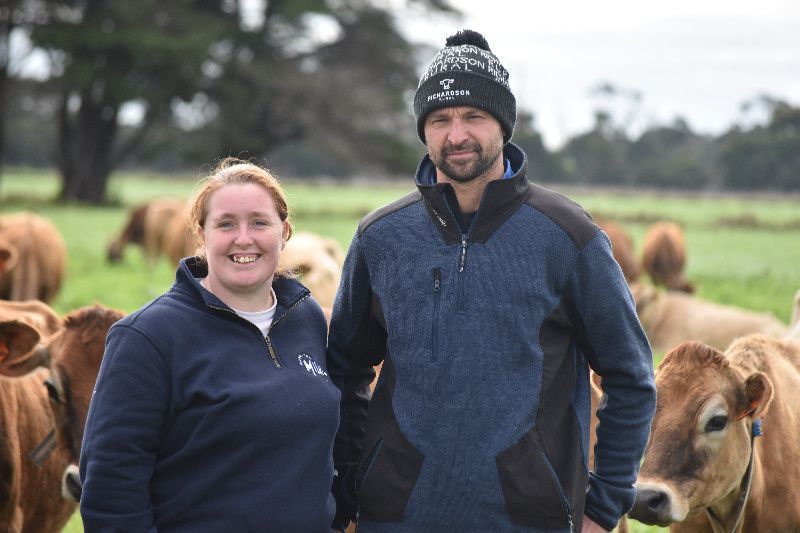
Kennagri Farms, located in Forge Creek, Victoria, has undergone a strategic shift from a traditional sheep, beef, and cropping enterprise to a technologically advanced robotic dairy system. Reinie and Bree Kennedy, who operate the farm, purchased the 146-hectare property from family in 2024 and transformed their beef cattle breeding herd into a dairy-focused operation.
Implementation of Automated Milking Systems
A key aspect of this transition is the adoption of automated voluntary milking systems (VMS). The farm has installed a Lely A5 Astronaut robotic unit on an existing herringbone pit, with a second unit set to be installed in November. This expansion is timed with the arrival of a new dairy herd from Clydevale Holsteins. To manage the first year of operation in the new shed extension, the Kennedys plan to use compost bedding due to potential international shipping delays.
Fodder and Cropping Strategy
The transition required a complete overhaul of the farm's fodder and cropping rotations. With a 150-megaliter irrigation bore license, the Kennedys maintain a cropping sequence of canola, wheat, and barley to cleanse the soil and suppress weeds before planting high-yield ryegrass pastures. They have also stockpiled 700 to 1,000 tonnes of silage to ensure an 18-month safety buffer, providing flexibility in case of droughts.
Technological Investments for Efficiency
To improve labor efficiency and calf rearing logistics, Kennagri Farms invested in automated equipment, including a Lely self-propelled, programmable milk cart. This system can handle 120 liters per cycle, automatically warming the milk to a precise feeding temperature of 38 degrees Celsius for young stock. The farm also isolates milk with high somatic cell counts to feed calves, optimizing milk usage.
Commercial Strategy and Long-term Plans
With substantial leased acreage, the farm's long-term strategy includes growing out nearly all dairy and beef-dairy cross calves instead of selling them as young stock. This approach is supported by the ample grazing space, automated calf feeding infrastructure, and the use of home-grown compost and wet slurry as fertilizer.