Introduction of Milk Futures Contracts Transforms Dairy Planning in Brazil
The dairy industry in Brazil is experiencing a shift with the introduction of milk futures contracts in the state of Paraná. Capal, a cooperative, handles approximately 12 million liters of milk monthly from producers in Paraná and São Paulo, supplying to Unium's industrial units. Despite growing interest, producers have expressed some reservations about adopting the new tool.
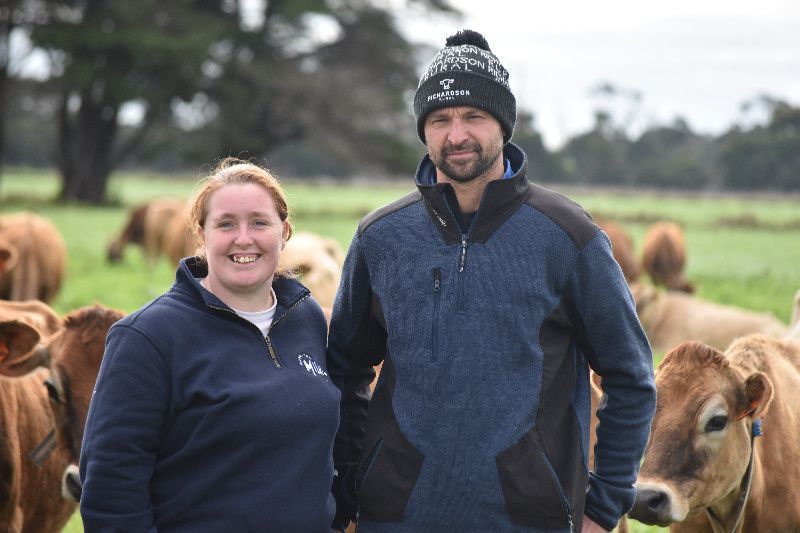
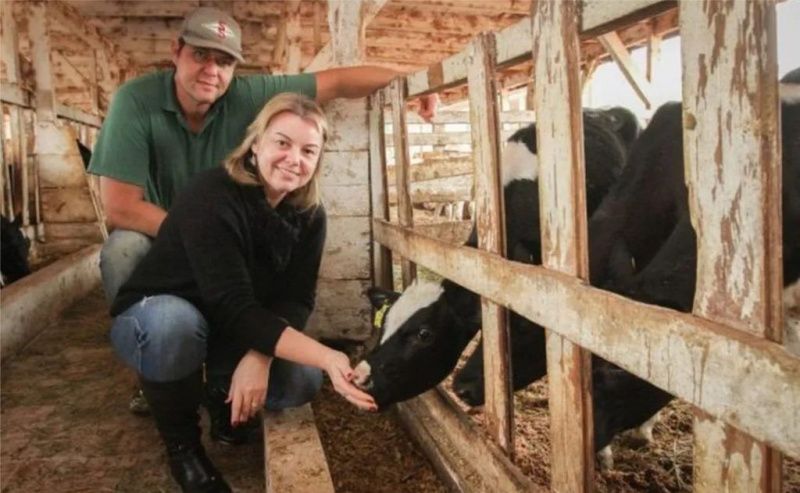
Wilko Laurens Verburg, a producer from Arapoti, admits to having only superficial knowledge of the futures contracts and lacks sufficient information to assess their utility. His farm produces around 19,000 liters of milk daily from 460 cows using mechanized milking, focusing on maintaining production efficiency amid potential price fluctuations.
Ellen Biersteker, another producer from Arapoti, acknowledges the potential of the tool but finds the concept complex. Her farm produces approximately 11,400 liters of milk daily with 380 lactating cows. She highlights the challenge of production without knowing the exact return, noting that any instrument enhancing profitability predictability is valuable, given the perishable nature of milk.
The milk futures contracts were launched by StoneX Leite Brasil, with support from Cepea/Esalq-USP and CNA. In Paraná, the Faep System is actively involved in the dissemination efforts. According to Marianne Tufani, a risk management consultant at StoneX, the main challenge is clarifying the futures market's workings and dispelling the notion of its complexity. The solution is being presented to producers, cooperatives, and industries nationwide, with the first contracts expected to be finalized soon.
Contracts are settled using Cepea indicators for UHT milk, mozzarella cheese, and industrial milk powder from São Paulo. The minimum lot size is 40,000 liters, but cooperative and dairy involvement could allow smaller producers to participate. The tool addresses the increased price volatility and unpredictability in the dairy sector, offering benefits such as decision-making foresight, investment planning, production scaling, and financial sustainability.
For producers, the primary change is not in the milk selling method but in improved price risk management. Paraná plays a pivotal role by concentrating on training and promoting an economic management tool that could expand dairy farm management options.