Analysis Reveals Long-term Bias in U.S. Farm Subsidies Distribution
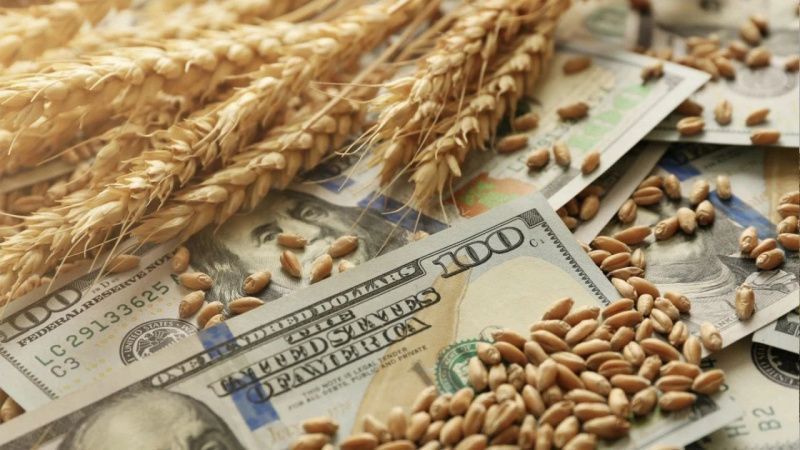
A comprehensive analysis by the Environmental Working Group (EWG) has uncovered significant disparities in the distribution of U.S. farm subsidies. According to data from the United States Department of Agriculture (USDA), a group of 8,839 farmers received continuous financial assistance totaling approximately $10.6 billion from 1985 to 2025. This group primarily consists of large-scale agricultural corporations, which have benefitted consistently from taxpayer-funded subsidies and disaster relief.
The findings indicate that the average annual payment per recipient was $29,000, but some large operations collected multi-million dollar amounts each year. Notable recipients include Texas's Frische Brothers and Minnesota's Molitor Brothers, who received over $22.3 million and $21.9 million, respectively. Additionally, 38 of these recurring beneficiaries are located in urban areas, raising questions about the USDA's requirement for subsidy recipients to actively engage in farm management.
The EWG report suggests that recent legislative changes have exacerbated the situation. The One Big Beautiful Bill Act (OBBBA) introduced loopholes that increased price guarantees for specific crops by 10 to 20 percent and raised individual payment limits from $125,000 to $155,000. It also expanded the acreage eligible for subsidies by 30 million acres, affecting land values and competition among smaller farmers.
While large-scale operations have thrived under these conditions, smaller and specialty crop farmers face rising costs and increased bankruptcy rates. Furthermore, recent emergency relief packages, totaling $22 billion, have largely excluded sectors such as fruit, vegetable, and commercial dairy producers, further skewing the competitive landscape.
The Government Accountability Office (GAO) has also identified significant issues within disaster aid programs, citing an error rate of 45.2 percent in a USDA initiative. As discussions around the upcoming Farm Bill 2.0 continue, these systemic imbalances remain a point of concern among agricultural analysts and industry stakeholders.