Wildlife Trusts Calls for Stronger UK Dairy Regulation
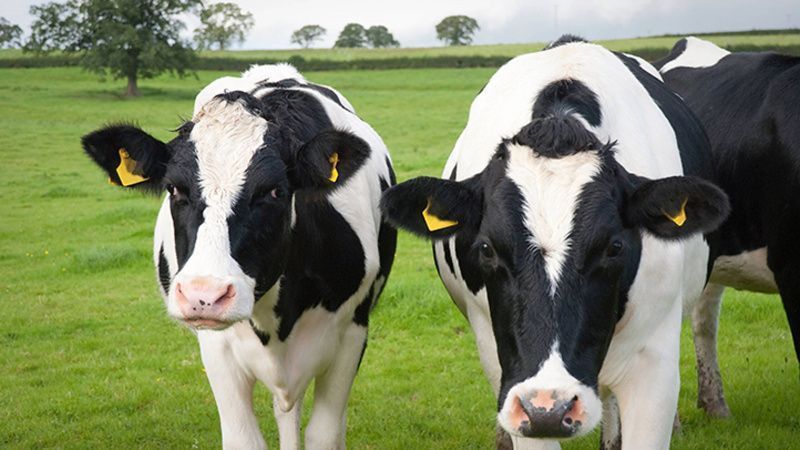
The Wildlife Trusts made the proposal in a report titled Doing Dairy Differently, as the UK dairy industry produces more milk from a smaller number of larger farms. Milk output for the 2025/26 season is forecast at 13 billion litres, up 5% from the previous year, while the number of dairy producers continues to decline.
The report says the number of farms keeping cattle indoors throughout the year has more than doubled over the past decade. The average conventional herd grew from 134 cows in 2005 to 226 in 2025. Larger herds and housed systems have increased demands on slurry storage, land, water and feed supplies, according to the report.
Indoor cattle produce slurry that is collected and stored instead of being deposited while animals are grazing. A cow weighing 700kg can generate more than 60 litres of slurry daily, the report says. The Environment Agency’s Agriculture and the Water Environment report, published earlier this year, found that dairy activities accounted for 71% of serious agricultural pollution incidents. Dairy slurry and silage pollution were identified as the largest single source of agricultural river pollution in the UK.
Nutrient pollution can contribute to algal blooms, declining river habitats and lower biodiversity. Gemma Lane, the Wildlife Trusts’ land use policy manager, said the condition of the dairy sector should not be assessed by production alone. She said farms incorporating nature into their practices were reducing dependence on expensive inputs and strengthening their resilience to climate-related challenges.
Proposed environmental permits
The organisation wants environmental permitting to cover the most intensive and highest-risk dairy operations, including large housed units and farms where cattle have little or no access to grazing. Under its proposal, new or expanding intensive farms would undergo environmental risk assessments covering slurry storage, the separation of clean and contaminated water, nutrient management, feed sourcing and the removal of manure from farms.
The report says regulation should be designed to prevent pollution rather than intervene only after environmental damage has occurred. It also calls for proportionate requirements that do not unfairly penalise well-managed family farms, together with more inspection and enforcement capacity and advice for farmers. Beyond individual holdings, the Wildlife Trusts proposes nutrient-management plans covering soils, slurry, manure, fertiliser, feed inputs and livestock density. It wants assessments at catchment level, planning authorities to consider the combined effects of dairy expansion in vulnerable catchments, and supply chains to reward farmers for reducing pollution and improving soil and water quality. Lane added that funding, advice and supply-chain support could help farmers reduce pollution risks, restore local wildlife and develop profitable businesses.