Welsh Dairy Farms Face Severe Winter Margin Pressure
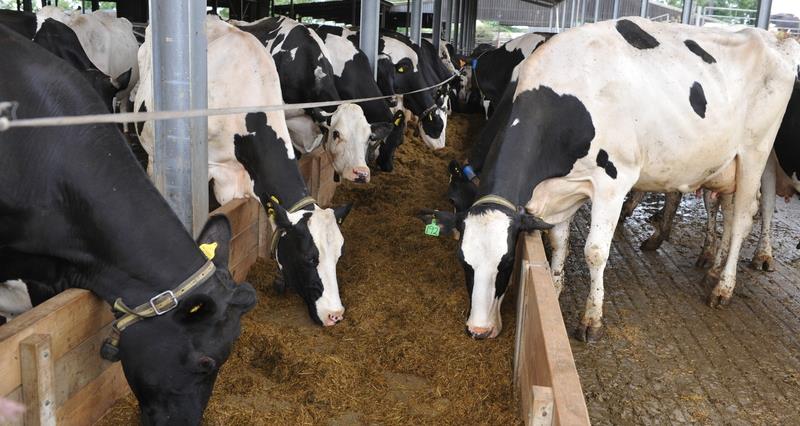
Welsh dairy farms are entering the winter housing period with weakened cash positions after a prolonged period of high costs and limited forage availability. The commercial dairy industry is valued at £929m a year and supports thousands of agricultural and processing jobs in the region. Farmgate milk prices have shown some recovery after more than a year of volatility, but revenues in many cases remain below the cost of producing milk. Some commercial herds are operating at an ongoing loss, reducing accumulated working-capital reserves.
Winter is the most expensive part of the farm operating cycle because energy, feed and bedding requirements rise at the same time. The pressure on forage supplies followed one of the hottest and driest summers on record, which curtailed pasture growth across Wales. Managers began using stored silage earlier than planned, before the normal housing period. Late-season rain allowed some farms to make additional silage, but many holdings still entered winter with insufficient quantities and lower-than-required nutritional quality.
Farms with depleted silage stocks have had to buy more high-protein feed, compound rations and digestible-fibre supplements to maintain cattle condition. Those substitutions have increased the daily cost of feeding each cow and reduced the cost advantage normally associated with pasture-based dairy production. The forage shortage therefore coincides with the period when farms face their highest seasonal expenditure.
Fuel and fertiliser have added to the strain. Red diesel, used for field machinery and routine feeding operations, has risen by 50% against late-2025 price levels. Wholesale prices for ammonium nitrate fertiliser, a key input for intensive grassland management, are about 20% higher than at the start of 2026. The higher prices have reduced farms’ ability to buy inputs in advance or hedge costs for the next spring production cycle.
Global dairy markets have provided limited support. Buying demand has been described as weak, while overall supply pressures have eased, leaving little immediate market support for a substantial increase in farmgate prices. Around half of commercial dairy holdings participate in the regional Sustainable Farming Scheme. This leaves a significant share of farms outside that funding arrangement, according to the source material. Lenders are monitoring debt-service ratios on operating loans and advising businesses to postpone non-essential machinery purchases while prioritising short-term merchant-credit obligations.
Low margins also affect longer-term farm operations. Prolonged negative cash flow can delay infrastructure work and veterinary treatment, and may lead to herd reductions. Stable milk supplies to regional cheese processors and liquid-milk packaging plants depend on dairy businesses remaining financially viable. The source material, attributed to NFU Cymru, says that stronger coordination between processors, retailers and farmers will be needed as the industry moves towards 2027, including contracts that reflect production costs and inflation.