Venezuela Advances Guayanés Cheese Origin Certification
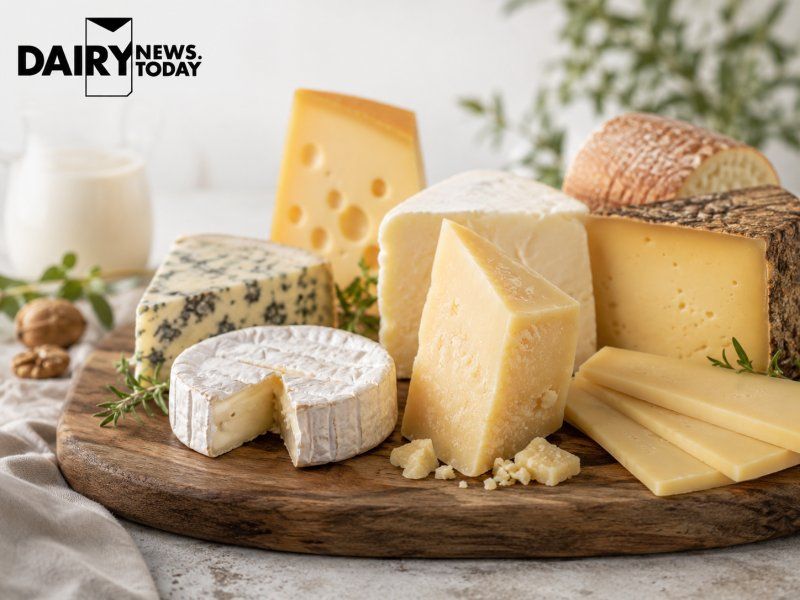
Yulisbeth García, governor of Bolívar state, said the certification process for Guayanés cheese was expected to be completed next month. The initiative is being developed by the regional government and the Bolívar Dairy Producers’ Association, known as Aprolac, with the involvement of producers from the state.
The proposed recognition includes both a Protected Geographical Indication and a designation of origin. The process was presented during a business meeting held as part of a visit by India’s ambassador, P.K. Ashok Babu. The meeting also included discussions of agricultural co-operation projects.
Upata’s link to the cheese
Although the name refers broadly to Guayana, the product’s history is particularly linked to Upata, in Bolívar’s Piar municipality. The area has a significant agricultural sector, including cheese-making and regional meat production.
According to the information released, local producers developed the cheese while seeking an item resembling mozzarella that would suit the conditions of the area and the milk produced by its herds. Over time, it acquired distinctive characteristics in texture, flavour and production methods, setting it apart from traditional hard cheeses.
Recognition for producers
García said the project has the support of medium-sized and large producers. The certification is intended to recognise the work of agricultural producers who continue to make Guayanés cheese and to strengthen the product’s identification with its place of origin.
The available information does not indicate that the certification has been completed; its conclusion remains scheduled for next month. During the Indian delegation’s visit, representatives also established a working agenda with businesspeople from Bolívar.
That agenda includes improving livestock herds, with participation from India and Venezuela’s Ministry of Agriculture and Land. No investment figures, specific programmes or production targets have yet been detailed for the proposed livestock co-operation.