Kazakhstan plans 46 investment projects worth 328 billion tenge by end-2026
Karaganda Region ranks first in Kazakhstan for coal mining and ferrous metallurgy production, and second for overall industrial production. It has a population of 1.13 million across approximately 239,000 square kilometres and comprises eight cities, seven districts and 342 rural settlements. The regional economy grew by 2.9% in the first nine months of 2026. Manufacturing enterprises account for more than 70% of industrial output, with metallurgy representing 61.8% of that sector. Machinery manufacturing increased by 26.2%. Qarmet steel is used to make body components for QazTehna buses, while the TEMPO plant produces pipes. An aluminium cluster is being developed around Silumin of Qazaqstan: a radiator production facility with an annual capacity of 5.5 million sections is already operating. The KaragandaInsulation thermal insulation plant has also begun operations.
Qarmet's modernisation programme includes the construction of coke oven batteries No. 8 and No. 9, the use of gas and the construction of a new long-products rolling mill. Manufacturing projects are being located in the Saryarka Special Economic Zone and the Saran Industrial Zone. They cover trucks, longitudinally welded pipes, insulation materials, clinker tiles, copper mining and ore beneficiation. The region's longer-term investment portfolio comprises 186 projects worth approximately 7 trillion tenge in total, scheduled for implementation through 2032.
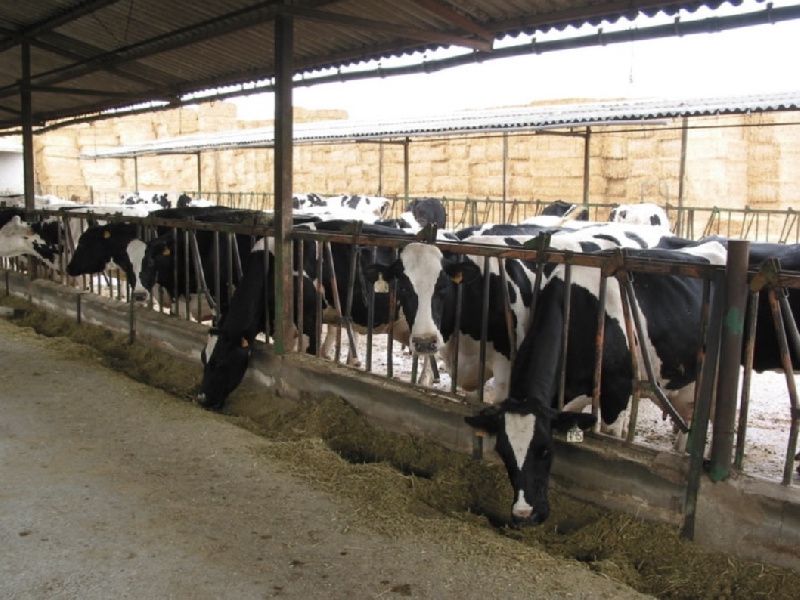
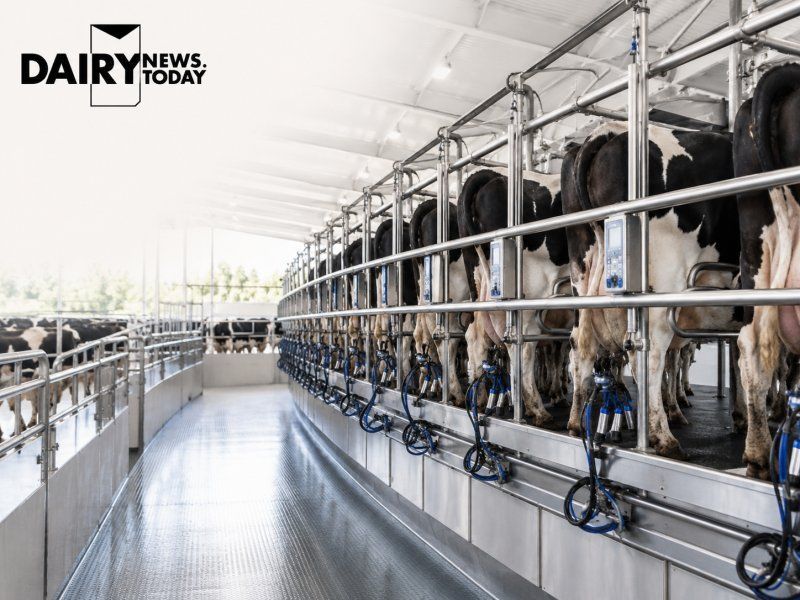
Agricultural output reached 381.3 billion tenge over the nine-month period. Meat and egg production each increased by 3.9%, while milk production rose by 5.5%. Eurasia Invest LTD plans a complex combining full-cycle grain processing and dairy production. It will include a dairy farm with 6,000 animals and annual output of up to 40,000 tonnes of milk. According to the expectations outlined in the article, reaching design capacity would allow the region to meet its dairy needs through local production. In total, the region's agrifood sector has 40 investment projects under implementation, worth 52 billion tenge. There are plans to expand irrigated agricultural land to 52,700 hectares.
The development of a cargo hub on the route between China and Europe is under discussion for Karaganda Airport. Cargo handling is expected to increase from 15,000 to 40,000 tonnes over three years and reach 200,000 tonnes by 2030. During the current year, 643 kilometres of roads have been upgraded in the region, and 122 buses have been purchased for public transport. Small and medium-sized businesses employ more than 228,000 people, nearly one-third of the region's working residents. Domestic trade exceeded 2.6 trillion tenge, placing the region fourth in Kazakhstan.
Over the past three years, 1.5 million square metres have been added to the housing stock, and nearly 2,500 apartments have been provided to socially vulnerable residents. A total of 92 healthcare facilities have been built in rural settlements. Telemedicine services have been introduced at 117 rural healthcare organisations, covering the region's entire rural population. A 200-bed perinatal centre is planned, while construction and equipping of the surgical and intensive care unit at the Oncology Centre are nearing completion. Thirteen new schools have opened over two years, ten of them under the Schools of the Future project. Renovations have been carried out at 29 educational institutions, and repairs at 217 facilities. Construction of schools, kindergartens and a rehabilitation centre continues.
A football academy with a capacity of 3,500 is being built in Karaganda. Plans also include a 15,000-seat stadium meeting Union of European Football Associations (UEFA) Category 4 requirements. Cultural development plans include a new Congress Hall and the refurbishment of six facilities. Under the Clean Kazakhstan programme, two eco-parks are being developed in the regional capital, with walking and cycling routes.
Utility infrastructure upgrades encompass 98 projects and more than 570 kilometres of networks. During the current year, construction and reconstruction work has covered 280 kilometres of water supply and sewerage networks. By year-end, their wear levels are expected to fall to 44% and 70%, respectively. Construction continues on a new generating unit at Combined Heat and Power Plant No. 3, costing approximately 60 billion tenge. The 50-megawatt Hyperborea wind power project has already been commissioned; another project envisages a 500-megawatt wind farm. Gas network expansion continues, with the aim of providing access to gas for more than 58,000 residents by 2027. The regional economic growth forecast cited in the article is 4% for the full year of 2026.