Saudi Arabia Achieves Self-Sufficiency in Dairy and Other Key Food Products
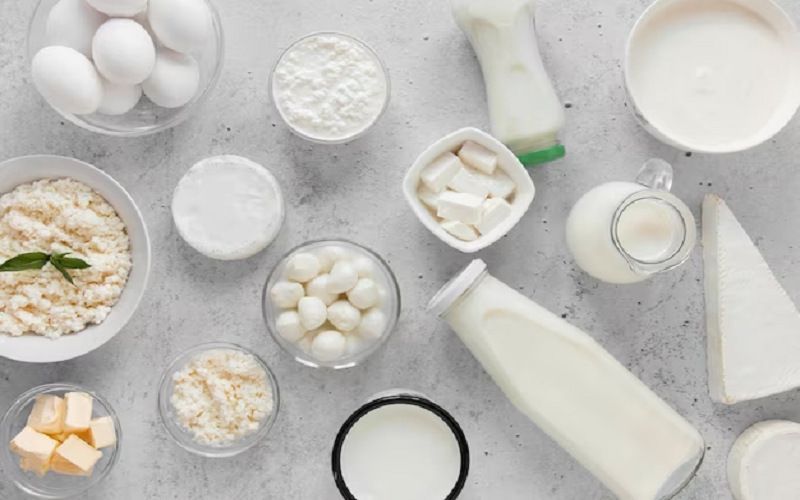
According to the 2024 Food Security Statistics issued by the General Authority for Statistics (GASTAT), Saudi Arabia has made significant progress in achieving self-sufficiency across various food products. The Kingdom has reached 131% self-sufficiency in dairy products, 121% in dates, and 103% in table eggs. These figures underscore the country's focus on enhancing food sustainability and developing its agricultural sector.
In addition to dairy, several vegetable crops have also recorded high self-sufficiency levels, such as 105% for eggplant and 100% for zucchini. The production of other agricultural products continues to improve, with potatoes at 93%, tomatoes at 83%, and onions at 72%.
The animal products sector also shows notable self-sufficiency rates, with shrimp achieving 149% and poultry meat at 72%. These improvements are part of a broader strategy to strengthen the Kingdom's food security system.
Fruits have varied self-sufficiency rates, with dates leading at 121%, followed by figs at 99%, grapes at 65%, and mangoes at 55%. These statistics highlight the diversity of agricultural production in Saudi Arabia.
Additional data from GASTAT indicates improvements in several indicators compared to 2023, particularly in self-sufficiency levels for onions, tomatoes, and fish. Moreover, per capita annual rice consumption has increased to 52.1 kilograms, reflecting enhanced food supply levels.