Inagua Examines Possible Dairy Link to Water Hyacinth in Aguascalientes
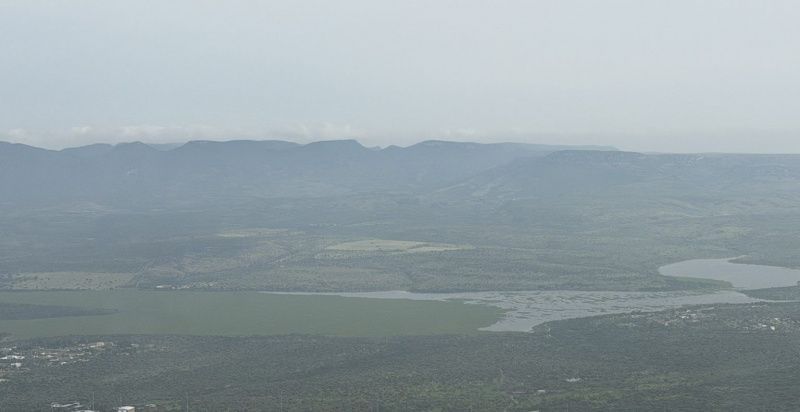
The Instituto del Agua del Estado de Aguascalientes (Inagua) has not ruled out a connection between the spread of water hyacinth and wastewater from the dairy sector. The agency is examining effluent from livestock operations and agro-industrial facilities, along with runoff entering reservoirs and other water bodies across the state.
State water authorities have described the growth as part of severe eutrophication, in which excess nutrients accumulate in water. Investigators are seeking to identify specific discharge points and determine the origin of organic matter reaching the basins that supply the affected reservoirs.
Potential sources include manure from livestock pens, wash water from milking rooms and whey produced during cheese manufacturing. These discharges can contain nitrogen and phosphorus, as well as high chemical oxygen demand. Where such material reaches streams or dams without adequate treatment, it can support rapid water-hyacinth reproduction. Dense plant cover reduces sunlight penetration and is associated with lower levels of dissolved oxygen in the water.
The affected reservoirs include facilities used for agricultural irrigation in District 001 and for supplying several rural communities. Inagua’s account says the plant growth can raise evapotranspiration and reduce stored water volumes. Sediment accumulation and the decomposition of plant material can also affect water quality, while the resulting conditions may complicate the use of water for forage crops and increase pumping and distribution costs.
Inagua is coordinating inspections, sampling and monitoring with the state environmental protection prosecutor’s office, Proespa, and the National Water Commission, Conagua. The work will focus on areas with concentrations of livestock and industrial activity. Authorities will check compliance with Mexico’s wastewater-discharge rules, including NOM-001-SEMARNAT, and verify whether farms have functioning settling ponds, biodigesters or treatment plants.
The authorities also said irregular or clandestine discharges could be subject to sanctions. The dairy and agro-industrial sectors have been urged to improve manure and wastewater management, including through solids-separation systems, anaerobic biodigesters and controlled agricultural reuse of biofertiliser. The investigation’s stated purpose is to clarify the sources of pollution and support compliance in the watersheds connected to the reservoirs.