France Seeks Delay in EU-Mercosur Trade Deal Over Dairy Concerns
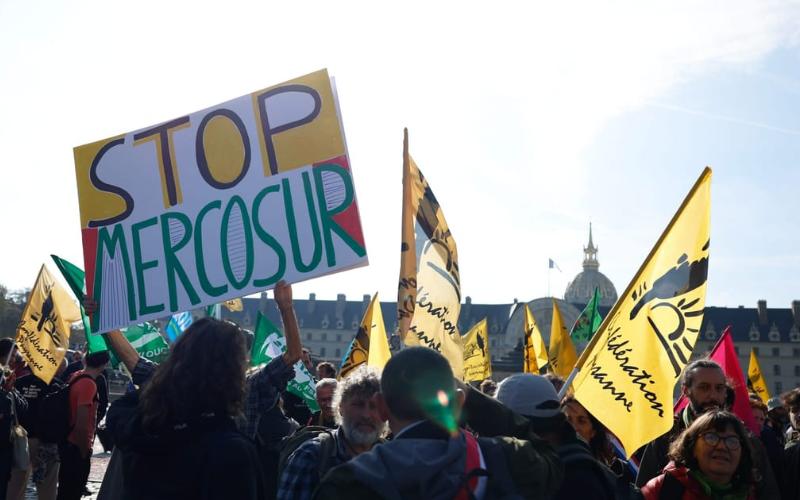
France has officially requested a delay in the European Union's vote on the EU-Mercosur trade agreement, highlighting concerns over fair competition and protecting sensitive agricultural sectors. This development has significant implications for the dairy and beef industries in both Europe and South America.
The EU-Mercosur deal, which has been under negotiation for two decades, aims to create a comprehensive trade agreement between the EU and Mercosur countries, including Argentina, Brazil, Paraguay, and Uruguay. French officials argue that the deal could disrupt local markets due to lower-cost imports that do not meet the EU's stringent environmental, social, and animal welfare standards.
For the Mercosur nations, the delay represents a setback in their plans to expand agricultural exports to the EU, potentially affecting long-term economic strategies and anticipated boosts in foreign currency earnings. The agreement is seen as crucial for increasing exports of dairy and beef products to one of the world's largest consumer markets.
Within the European context, the delay provides time for other EU member states and agricultural lobbying groups to assess the economic costs and benefits of the trade deal. The outcome of this extended negotiation period will be crucial for the international dairy market, influencing global trade flows and competitive dynamics.
As negotiations continue, stakeholders in the dairy industry are closely monitoring developments in Brussels and Paris, as the final decision will have significant ramifications for the sector's future.