Eurasian Economic Commission to require proof that bees originate from areas free of tropilaelapsosis
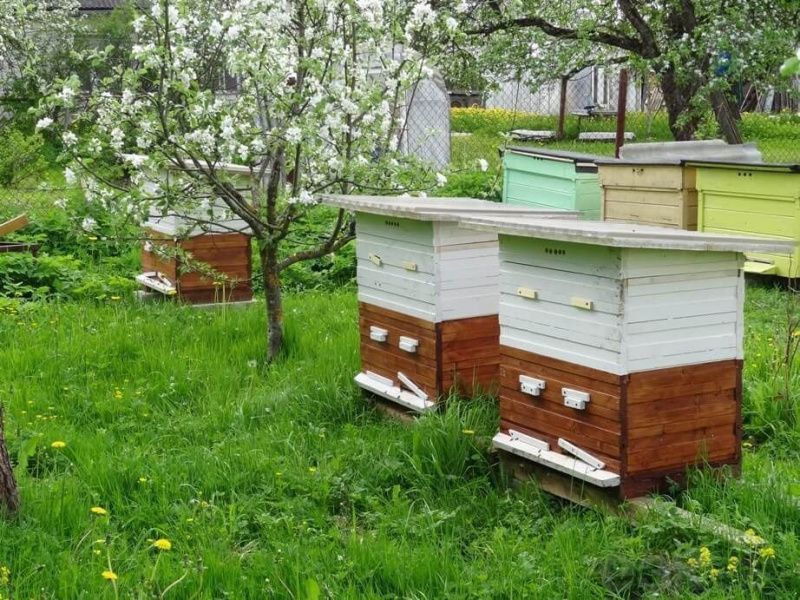
Vladimir Subbotin, deputy director of the Eurasian Economic Commission (EEC) department responsible for sanitary, phytosanitary and veterinary measures, outlined the decision. He spoke on October 28 at a seminar organized jointly by the commission and the World Organisation for Animal Health (WOAH). The amendment concerns Chapter 18 of the common veterinary requirements, which sets conditions for importing and moving honey bees and bumblebees. According to Subbotin, the commission took concerns raised by scientific organizations and public associations into account when making its decision. The discussion focused on tropilaelapsosis and varroosis, along with methods for their detection, prevention and control. Veterinary safeguards for cross-border movements of bees were a central issue.
Previously prepared EEC materials recorded the detection of Tropilaelaps mites in Russia in 2021, Uzbekistan in 2022, and Kazakhstan and Georgia in 2024. Parasites of this genus cause tropilaelapsosis and primarily affect bee brood at the larval and pupal stages. Infestation can result in developmental abnormalities, brood death and weakened colonies. Veterinary requirements must be observed when transporting colonies, queens and bee packages, as early-stage infestations may go unnoticed. For beekeeping operations in Kazakhstan, the material highlighted the importance of inspecting colonies, complying with requirements when purchasing breeding stock and consulting relevant specialists if disease is suspected.
The mites that cause varroosis belong to a different genus, Varroa. They parasitize both brood and adult bees, weaken colonies and can contribute to the transmission of viral infections. If detection is delayed and control is inadequate, both diseases can reduce colony productivity, while severe cases can lead to colony death. The diseases also pose a risk of financial losses for beekeepers. The choice of subsequent disease-control measures depends on which parasite is detected, so the seminar examined methods for distinguishing Tropilaelaps from Varroa.
The diagnostic section of the programme covered colony inspections directly at apiaries and laboratory confirmation of infestation. Experts discussed morphological and molecular testing methods, mite biology and patterns of spread. Other topics included integrated prevention and control of varroosis, international reporting on bee diseases and procedures for confirming the animal health status of territories. Participants emphasized the need for regular monitoring of colony health and timely diagnosis: in their assessment, an isolated measure without such support does not provide lasting protection for an apiary. Preventive measures were also considered in light of seasonal changes and the effects of climate change.
Representatives of the veterinary services of Georgia and Türkiye presented information on tropilaelapsosis in their countries and described restrictions used to contain it. Mereке Taitubayev, head of the WOAH Sub-Regional Representation for Central Asia, warned of the growing threat the disease poses to beekeeping worldwide. Veterinary services from Eurasian Economic Union (EAEU) member states presented their own information on the animal disease situation. The discussion covered national protective measures and opportunities to expand information sharing between countries.
Representatives from Cuba also joined the event. Presentations were delivered by specialists from WOAH, Russia's Federal Centre for Animal Health and the competent authorities of Türkiye and Georgia. Practical issues for apiaries included the health status of purchased bees and early detection of infestations, including when buying queens and bee packages abroad. Experts stressed the need to take seasonal colony development and climatic conditions into account. In their assessment, there is no single control strategy that is equally effective at every apiary.
Cooperation between the EEC and WOAH is based on a memorandum of understanding signed in 2014. The current programme of joint activities covers 2025–2027. It provides for further training of veterinary specialists, the use of international standards and improvements in the prevention of dangerous animal diseases. At an earlier stage in preparing amendments to EAEU veterinary requirements, an update to the veterinary certificate form was considered alongside confirmation that the territory of origin of bees is free of tropilaelapsosis.