Dutch Dairy Sector Faces Challenges Amid Slowing Food Industry Growth
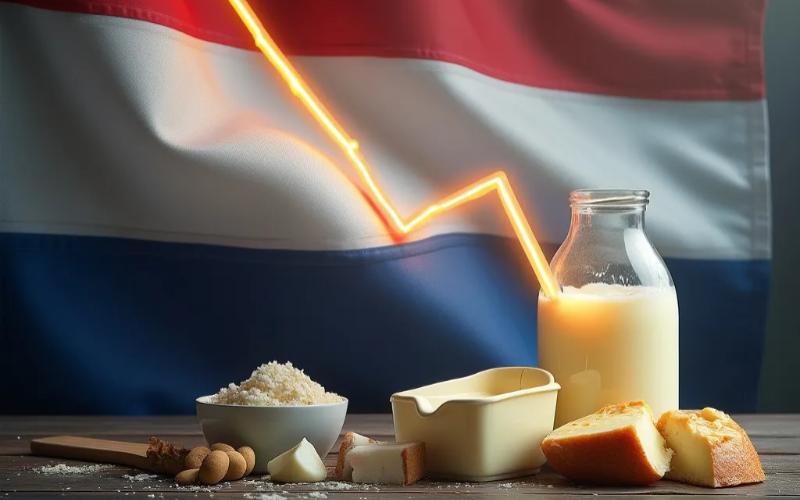
The Dutch food industry, as forecasted by ABN AMRO, is expected to grow at a slower rate in the coming years. While the overall food production in the Netherlands is predicted to increase by 1.5% in 2025, the growth rate will slow to 0.5% in 2026, before picking up slightly to 1% in 2027. This moderation in growth is set against a backdrop of an expected increase in household purchasing power and a resilient economy, despite uncertainties in government policies and trade tensions with the United States.
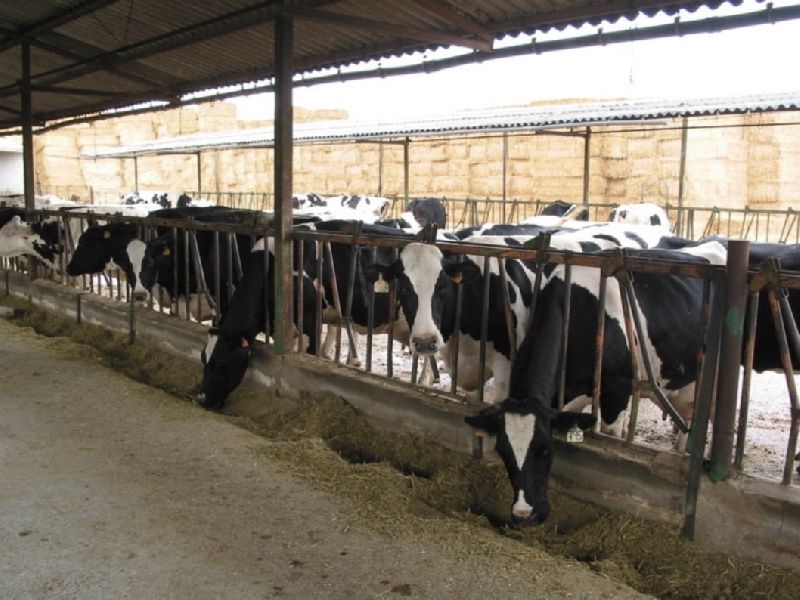
Specifically, the dairy processing sector is facing significant challenges, with an anticipated contraction of 1% annually in both 2026 and 2027. This decline is attributed to a decrease in milk production as the Dutch and Northwest European dairy herds are expected to shrink. The impact of these developments is compounded by the overall decrease in the number of pigs in the Netherlands, which affects related agricultural sectors.
The economic outlook for Europe provides some positive context, as ABN AMRO forecasts a 1.2% growth in the European economy in 2026, rising to 1.4% in 2027. Germany's economy is expected to benefit from substantial government investments, while Belgium's economic stabilization may not translate into increased consumer spending.
ABN AMRO's report highlights consumers' perceptions of food costs, noting that while food is deemed expensive, there remains a desire to enjoy quality food. This sentiment could support the food industry's resilience amid sector-specific declines.
The report offers a detailed view of the food industry's trajectory, emphasizing the need to address the challenges within the dairy and meat processing sectors to sustain growth.