Drought Reduces UK Milk Yields by 18.5 Million Litres
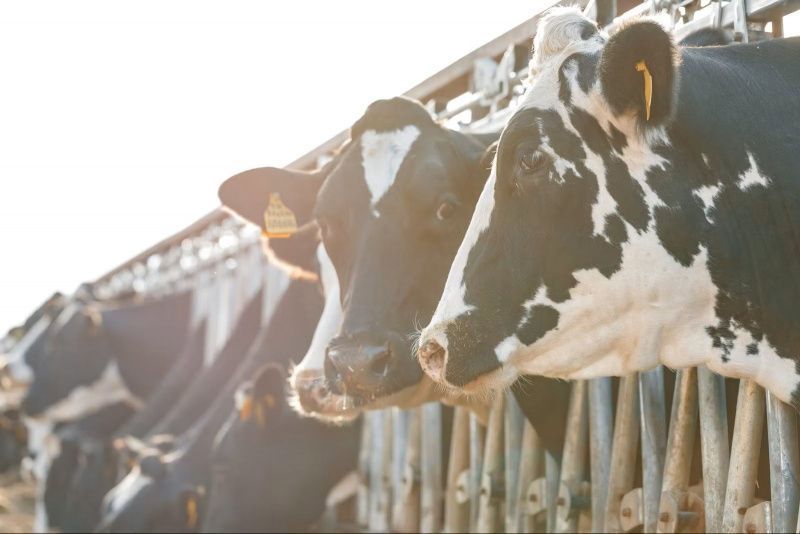
The Met Office has recorded the driest July in 190 years across England and Wales, resulting in significant challenges for the agriculture sector. Provisional data indicates that these regions experienced only 8% of their average monthly rainfall, leading to over half of England and all of Wales being officially declared in drought. This has severely disrupted farm operations, particularly affecting livestock.
The extreme weather conditions have resulted in an estimated reduction of 18.5 million litres in national milk yields over recent weeks. According to Ian Harvey, Chair of the NFU Dairy Board, the lack of grass growth and deteriorating pasture quality have forced dairy producers to utilize their winter silage reserves prematurely and purchase costly supplementary feeds. This early use of winter feed could lead to severe shortages and increased expenses during the upcoming winter months.
While a drop in production volumes has pushed up spot milk prices, there is a widening and unsustainable gap in farmgate returns. Some producers are receiving over 40 pence per litre, but many remain on contracts that pay in the mid-to-late 20s, which is significantly below the current production costs. Harvey emphasized the need for processors and retailers to adhere to newly enacted fair dealing legislation and ensure equitable pricing structures throughout the supply chain.
Arable producers are also facing difficulties as the prolonged dry spell has affected their harvest following disappointing yields from the previous growing season. Jamie Burrows, Chair of the NFU Combinable Crops Board, highlighted the necessity for investment in drought- and disease-resilient crop varieties, as well as revisions to the national planning framework to support on-farm water storage construction.
The historic drought in July underscores the increasing climate and financial pressures on British agriculture. Farming organizations are advocating for greater supply chain transparency, risk-sharing mechanisms, and better water management infrastructure. Producers are currently challenged with maintaining herd health, managing feed inventories, and ensuring long-term financial viability.