Dairy UK calls for processing to gain critical infrastructure status
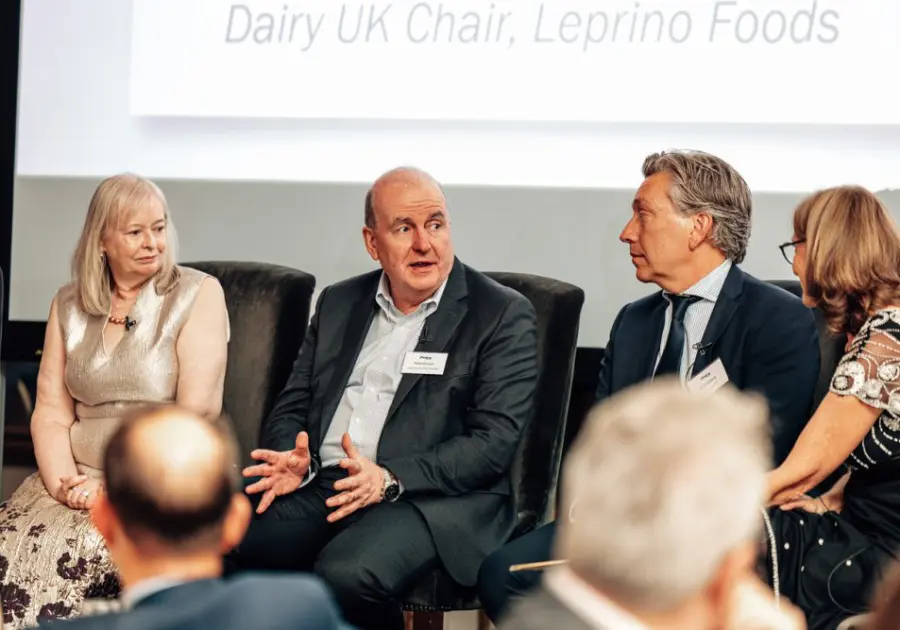
Dairy UK launched the paper, titled Securing the UK’s Dairy Future: The Strategic Role of Dairy Processing in UK Food Security, Sustainability and Growth, at its annual dinner on 23 September. It sets out the organisation’s case for giving dairy processing greater recognition in government and policy discussions.
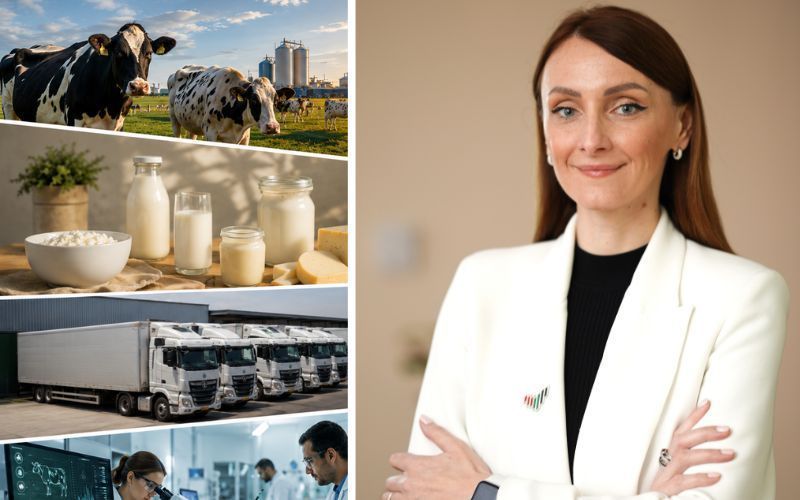
The group describes processing as the link between British farms and consumers in the UK and overseas. Its members collect and process approximately 15 billion litres of milk each year, turning a perishable agricultural input into dairy products for domestic consumption and export.
The paper says raw milk cannot be practically stored in large quantities and therefore requires collection and processing to continue rapidly and without interruption. It presents the industry as a continuous-flow system in which farms, processors, logistics providers, energy infrastructure and customers are closely connected.
Dairy UK says maintaining a resilient processing base requires sustained investment in manufacturing facilities, energy systems, food-safety measures, technology and decarbonisation. Both British-owned and international companies have invested in dairy-processing operations in the UK, according to the organisation.
The group is calling for a policy framework that is stable, predictable and competitive. It says such conditions would give businesses confidence to continue making long-term investments in sites, employees, technology and sustainability.
Judith Bryans, Dairy UK’s chief executive, said dairy processing was “an integral part of British agriculture” and infrastructure that converts milk from farms into food for millions of people. She said farmers required strong processors, processors required strong farmers, and the country depended on both.
Bryans also said dairy processing should be considered alongside sectors such as energy, which the UK already treats as strategically important to daily life and national resilience. Dairy UK linked the sector’s role to food and nutritional security, employment, rural economies and the wider British economy.