California Considers Regulation on Dairy Methane Emissions for the First Time
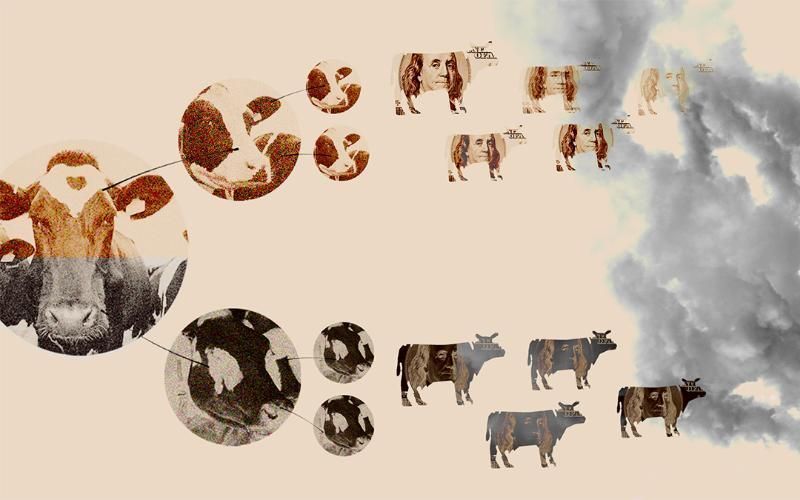
California is taking significant steps towards regulating methane emissions from dairy and livestock operations, marking a shift from previous voluntary programs. This initiative is driven by Senate Bill 1383, passed in 2016, which mandates a 40% reduction in methane emissions from 2013 levels by 2030. The California Air Resources Board (CARB) recently issued a request for feedback to help shape the potential regulation framework.
Currently, methane emissions from dairy and livestock sectors are largely addressed through voluntary programs, which have not fully achieved the desired reduction targets. According to a 2022 report by CARB, the state is on track to achieve annual reductions of up to 5 million metric tons of carbon dioxide equivalent by 2030, which is just over half of the required 9 million metric tons to meet the 40% reduction goal.
To date, the state has invested in anaerobic digesters that capture methane emissions from manure, converting it into renewable natural gas. These efforts are supported by the California Department of Food and Agriculture’s Dairy Digester Research and Development Program and CARB’s Low Carbon Fuel Standard (LCFS). However, these programs have faced criticism for potentially incentivizing herd expansion.
In November, CARB decided to maintain the credit levels for dairy biogas under the LCFS until 2040, despite environmental advocates calling for a reduction. The decision allows high-value credits for projects initiated before 2030, irrespective of upcoming regulations. The resolution also requires CARB to develop a livestock methane regulation plan by 2025, with a rule expected to be in place by 2030.
The regulation aims to address the environmental impact of dairy operations more comprehensively, including the potential water and air pollution associated with current manure management practices. Alternative methods, such as separating solid from liquid manure and pasture-based systems, are being considered as part of this regulatory shift.
CARB’s analysis highlights that while progress has been made in the development of a biogas market, challenges remain in reducing emissions from enteric fermentation in cows and in advancing alternative manure management practices. The cost of procuring biomethane remains significantly higher than fossil gas, posing economic challenges to widespread adoption.