Australian Dairy Farms Implement Methane Reduction Strategies
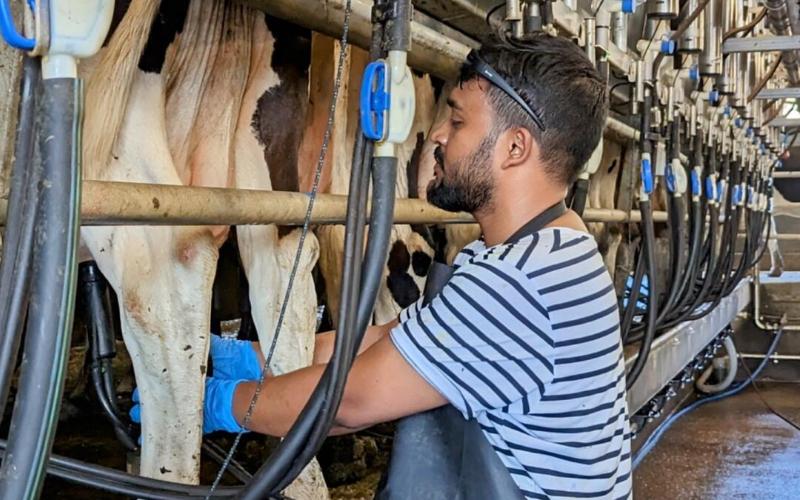
Australian dairy farms have started incorporating specific feed additives to effectively cut down methane emissions, a significant greenhouse gas produced by cattle. This initiative is part of a broader effort within the agricultural sector to enhance environmental sustainability. Methane, which is primarily produced during the digestion process in cows, is a potent contributor to climate change.
The adoption of these additives not only aims to reduce environmental impact but also seeks to improve farm efficiency. By optimizing feed conversion, farmers can potentially reduce costs associated with cattle feed while maintaining or even increasing milk production levels.
Research and trials conducted on various Australian farms have shown promising results, with some reports indicating a substantial decrease in methane emissions. This development aligns with global efforts to address climate change by reducing the carbon footprint of agricultural practices.
Agricultural experts highlight the importance of these practices, noting that they offer a practical solution that can be implemented in existing farming operations without requiring significant changes to infrastructure. The approach is seen as a win-win, providing both environmental and economic benefits.
As the industry continues to innovate, these methane-reducing feed additives represent a crucial step towards a more sustainable future for dairy farming in Australia and potentially set a precedent for other countries to follow.