Arthur Lorenzetti outlines Danone Brazil’s specialized-nutrition strategy
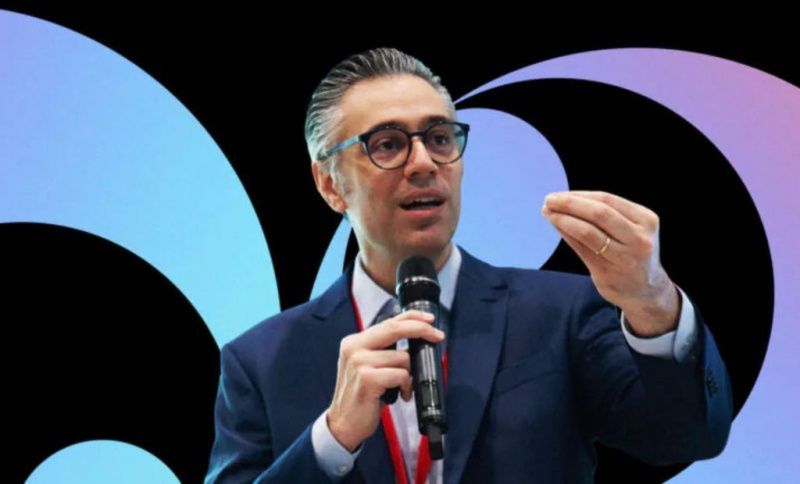
Brazil has an important position within Danone’s global operations, according to Lorenzetti, who has worked at the company for 12 years. Its specialized-nutrition division works with Danone’s innovation centre in Utrecht, in the Netherlands, and with manufacturing facilities and teams in Poços de Caldas, Minas Gerais. The arrangement allows the company to develop products for the Brazilian market and adapt innovations created abroad.
Lorenzetti said Brazilian regulation is particularly demanding in some segments, covering formula specifications, required ingredients and registration procedures. He said Danone’s specialized-nutrition unit in Brazil had tripled in size in recent years and had also increased its profitability. The division serves people who cannot eat conventionally or have specific nutritional requirements, including infants with cow’s-milk-protein allergy, cancer patients, people recovering from surgery, tube-fed patients and older adults experiencing muscle loss.
Protein has become more prominent in food discussions alongside interest in healthier diets and the use of medicines for diabetes and weight loss. Lorenzetti said specialized products must address more than protein intake. For older people, they may also need to provide vitamins and fit the way consumers incorporate them into their daily routines. Danone’s Nutridrink Protein Senior, for example, contains 25 grams of protein and has no flavour, allowing it to be added to other foods. Products for oncology patients must combine a high calorie content with a small volume, he said.
GLP-1 medicines have introduced additional considerations for research and development, according to Lorenzetti. He said that in conventional weight loss, roughly 20% of the reduction is lean mass, while the proportion can be higher when weight falls rapidly during treatment with these medicines. Reduced food intake can also lower nutrient consumption. Danone therefore examines ways to increase nutritional density and support the preservation of muscle mass, while also accounting for changes in consumer preferences. Lorenzetti cited yoghurt and YoPro protein shakes as products that offer protein and other nutritional attributes.
Access remains a central issue for specialized nutrition in Brazil. Danone works with non-governmental organisations and public bodies, and participates in the Movimento Nutrindo Vidas initiative, which seeks to raise awareness among doctors, public administrators and other health-system participants. Lorenzetti said the country’s new National Policy for Cancer Prevention and Control included, for the first time, a chapter on nutritional therapy. He described that inclusion as an initial step towards broader discussions about health-system financing.
Programmes for food allergies are less widespread. Although Brazil’s Health Ministry has clinical protocols and therapeutic guidelines for cow’s-milk-protein allergy, only six states currently have structured programmes specifically for the condition, Lorenzetti said. Danone is working to show states how to adopt the protocol and organise services. He also said that specialized nutrition in Brazil is currently more concentrated on paediatric care than on adults and older people, while demographic change is increasing attention to ageing.
Danone will mark 55 years in Brazil in 2026. Lorenzetti said sustainability is incorporated into the company’s business and statutes, and that Danone aims to operate more efficiently and develop a less carbon-intensive supply chain in the country. The interview took place during a visit to the company’s Utrecht centre, and the journalist’s travel was provided by Danone.